If I appear to have lost my zeal for posting on here, I haven’t. I’ve decided to approach this blog as more a tool for myself and less a desire for validation from strangers on the internet. It’s always been for me anyway, but to those of you who’ve been reading my nonsense, thank you. I do appreciate you being here. Cliche as it may be, it’s nice to know someone out there sees the things I say.
So that brings us to today. Today is my birthday. I turn 33. Holy frickin’ cow, dudes. It always catches me off guard and it always hits me in the face at the same time. Never one to appreciate attention on myself (which is where my need for validation on the internet becomes an internal eternal struggle), I’ve never been a fan of my birthday. I’d much rather spend it doing things with others and helping them. So I took some vacation time, hahaha. I am a firm believer in the idea that no one should work on their birthday. I realize that comes from a place of privilege and I wish it didn’t.
Every month in my bullet journal, I pick a quote to kind of guide my thoughts, and this month I chose something out of one of my very favorite books, The Little Prince by Antoine de Saint-Exupery.
“If someone loves a flower of which just one example exists among all the millions and millions of stars, that’s enough to make him happy when he looks at the stars. He tells himself, ‘My flower’s up there somewhere . . .’ But if the sheep eats the flower, then for him it’s as if, suddenly, all the stars went out. And that isn’t important?”
I chose this quote because while the obvious reminder is that the little things matter and what’s important for someone else may not necessarily be important to you, it’s more a reminder of going back to the things that matter. I love this book enthusiastically. It’s a classic, and it’s such a lovely little tale about learning the way the world is, and it reminds me to think about what truly makes a difference in my life.
So, what’s been different this past year? I think the thing that startles me the most is the change in fitness. I began running, something I talked more about last blog post, and I stopped eating so much and I lost about 40 pounds. I’m not to my goal yet, but hey. I lost 40 pounds. It’s easier for me to keep up with Caboose, and it’s easier to jog after a piece of paper I dropped in the parking lot. I have a new way of controlling my thoughts, which is probably the most important thing about running for me. I’ve set a goal with one of my best friends to run a 5k next year. For the fall, though, because running in summer sounds like a fresh hell, or maybe a hot hell. Either way, a pass for me. But last year I wouldn’t have even considered such a thing. I would have thought it impossible.
Finding balance has been tough. Finding a way to shut out the bastard that lives in my brain and coax the small child forward who wants to be everything and anything is difficult as all get out. I hear a lot that I’m strong, and while I appreciate that, I don’t think people really know how exhausting that is. Mentally, I’ve not been well. The month leading up to my birthday is one of the hardest of the year for me because quite honestly, I’m always surprised I’m here. Kind of a “well shit, now what?” moment. And every year, I remember “oh yeah, keep breathing.”
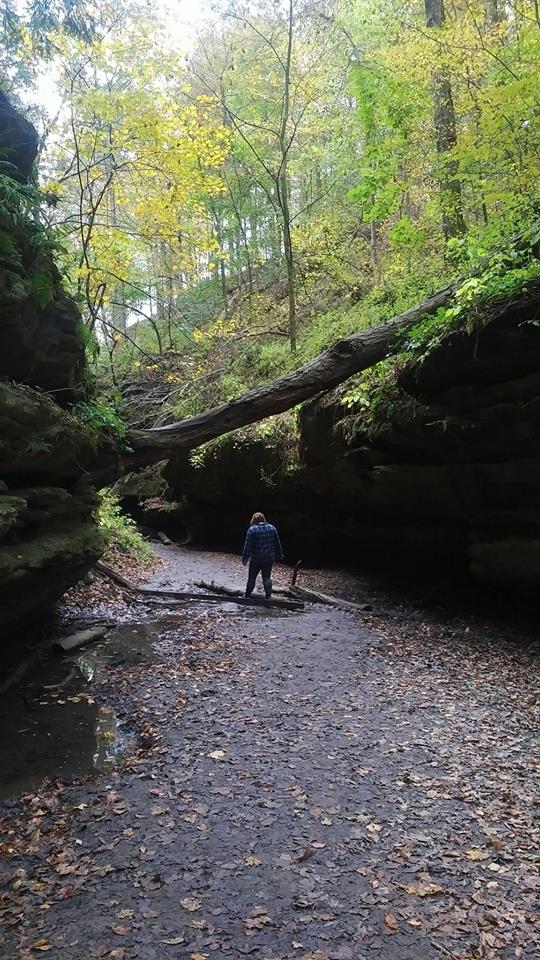
I was going to go camping this year, but I decided not to because the idea of the effort took so much energy. Just the thought of it. I’m still going to go to my favorite park and hike, because that’s the thing I look forward to the most every year. The picture for this post is from a few years ago, but it’s the only one that I like of myself. It reminds me that I’m insignificant in the best way. That the world is so, so vast and I am so, so small in it, but that doesn’t negate my importance. I am necessary. I am a vital part of the system I created around myself, and I did that without even knowing I had.
So, the point of this post really is to just mark another notch on the bedpost of life. I survived another round, and I’ll survive until the next one, the sun willing. But it’s going to be more than survival. It’s going to be living. It is such a cliche to say there’s a difference between survival and living, and while yes, I know, it’s obvious, it is another thing entirely to fully realize that.
Paint your sunset. Read that book you’ve read fourteen times before and it still makes you weep at the end. Watch the entire season of a bad show in one day. Smile at babies. Give flowers to your mom, or your dad! I’m sure he’d like it. Tell someone you haven’t spoken to for years that you remember something specific about them. The world is so full of life and you have the right to have it.
Repeat. Repeat. Repeat. Repeat. Footsteps pounding on the pavement. It hurts a bit on the fourth minute, but the fifth, sixth, seventh, and eighth are easier. By the end of it all, my lungs are full, yet empty. I breathe in and out, feeling the air expand in my chest, and the life within is foreign. The accomplishment is odd. And yet I’ve done it. I’ve finished a running goal. Now on to the next one.
I turn thirty-three at the end of this month. We’ve discussed how I struggle with enjoyment of my birthday before, but this year it’s a little harder to approach it. My brother told me a few weeks ago about the death of a young man we grew up with. This young man was my brother at one point, although we weren’t close after middle school. I have so many memories of playing, running through the neighborhood, causing chaos that only ten year olds can. His birthday is October 8th. He never made it to thirty-three.
While sometimes I feel a bit like an imposter, like it’s not fair that I get to see thirty-three but he doesn’t, it doesn’t feel right. But that doesn’t make sense, because I should see thirty-three. Ten years ago I tried to end my life. You always hear those people who come out afterward and say, “oh, think of all you’d have missed!” like that’s supposed to help you feel better. I’ve said many times on here that it doesn’t get better, it gets easier to carry. I have the mental strength of a bodybuilder on steroids, but the days when I’ve stepped on a metaphorical Lego are almost debilitating.
I would have missed graduating college. I would have missed seeing my family grow, with my sister-in-law, and then the birth of my niece. I don’t know that Caboose will ever know just how much she saves me. How she puts me back in my place. That I am important and necessary.
And I am. I am important and necessary. Not just to Caboose. Not just to my family, or my friends (more people I would have missed out on had I been successful ten years ago). I am important and necessary to myself.
Breathe in, fill your lungs. Hold the breath there until it leaves you in a rush.
Do that several more times. Do you feel it? Do you feel the life?
This is why I love running. I was terrified of it for a long time. I know that sounds so ridiculous because it’s fitness and it’s movement and good for you. But when you’ve spent so much of your life telling yourself you’re not worth the effort, all exercise feels impossible. Terrifying. Daunting. Like you’ll fail before you even start. So I gave in to that. I stopped myself before I could see what I can do.
Back in May, I couldn’t even jog a full minute. Now, I can run the full first week on the Couch to 5K program, and not be winded afterward. Do you know how utterly earth shattering that is for me?
Breathing in. Breathing out. Watching my chest rise and expand. There is life inside.
I don’t know how to be the person who can run 8 minutes. I don’t know how to like myself. I’m trying to learn, but it’s painful. It’s absolutely gut wrenching. Because now I’m seeing the bullshit. Now I see where the thought patterns begin and the ease with which they settle into my lungs. The place I freed.
Breathe in breathe out hold it don’t let go you’re okay keep breathing.
The place I will be okay. Feeling every muscle in my body, my feet on the earth through the soles of my shoes. My arms as I move, are they swinging too much? Am I too rigid? The control. I have control. I will be free. I can be free.
While I wish I could claim credit for that phrase in the title, it comes from an article written by Chuck Wendig (I’ll link it below, should you be so inclined to read it). It’s been on my mind recently, just that phrase, because I always hear people saying to chase dreams, and while I agree we should go after worthwhile endeavors (you decide what’s worthwhile, I guess), I think we should instead chase after ourselves.
Not in an “oh-shit-there-I-go-again-better-stop-me,” kind of way, but more of an “I’m-actuallly-kind-of-cool-what-else-have-I-missed-by-hating-myself?” kind of way. I’m not saying it will get rid of the insecurities we plague ourselves with, but once you get past all the reasons you’re terrible, maybe you’ll see you aren’t actually terrible.
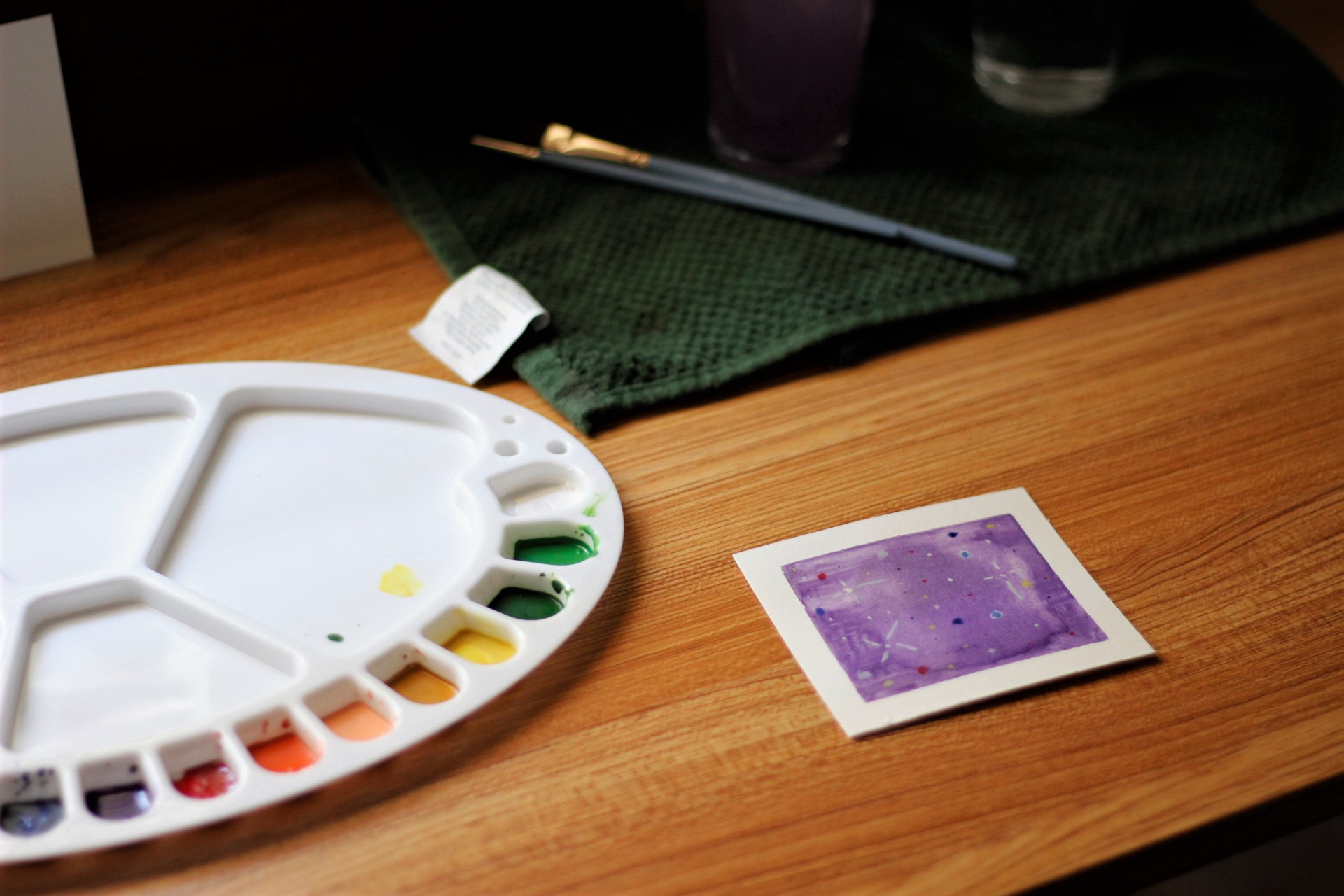
I’m not an art success by any stretch of the imagination, but I want to become a watercolor artist of sorts. I want to do tiny paintings, and so I’ve taken steps to start practicing. As well as practicing hand-lettering because I think it’s cool when people do that kind of thing. It takes practice and sometimes I’m so much of a defeatist that when I don’t get something on the first try, it’s suddenly garbage and I don’t want to do it.
Bolting madly at ourselves is a way of saying enough is enough. It’s a way of grabbing hold of your own shoulders, metaphorically, and staring yourself in the eyes and seeing that you aren’t the bile pile you somehow convinced yourself you were.
It’s a challenge. To the things that keep you up at night. To the people who planted the seeds of discord in your heart. It’s a direct refusal to be anything less than who you are and while that sounds so damn simple and stupid out loud, let it sink in. Because we are more than what we let ourselves tell us we are. I believe it wholeheartedly. It’s why I’m still kicking. Literally fighting for myself because I never have and I’m tired of seeing the same disappointment every time I have a set back in my progress.
This is a month I’m focusing on my goals a bit harder. I want to prove to myself that I am capable of changing my habits, changing the things about me that keep me from being who I want to be. I write in my journal about it so often, and I get irritated that I keep slipping back into the “comfort” of who I am right now. Not bad, but not what I want.
I challenge you to do better for yourself. Start doing something that makes you feel real. Hopefully that’s nothing harmful to you or others, but I’m not your mom, so I can’t tell you what to do, really. But you owe it to no one but yourself to start seeing yourself as real, as important. As worth the time. I promise I’m working on it more.
I never told you, but when the sky is blue– the kind you find on marshmallows in Lucky Charms– I have to take a picture with my eyes and imagine you can see me.
You know, I never said this when you were here, but you made life breathable again. It’s gotten hard to breathe and I don’t know what to do.
I read recently that nostalgia lies to us about the people who’ve died. How we spend so much time remembering the good about them, and not really thinking about all the ways they’re awful. And it made me wonder, well what’s wrong with that? Why do I need to remember the ways a person hurt me when I want to be happy with the memories of them that bring me joy? I’m not offering them sainthoods in their next life, I’m offering myself respite from the grief of loss.
I’m fine, really. This week’s post is a poem I wrote back in 2013 and it was originally for my friend Robbie, but as I read it, I thought of Henry. It’s almost unfair how much of my creative processes get devoted to him, but if he’s been the reason I still write, or paint, or give light to the world, I don’t think that’s wrong.
Usually wears “preppy” clothes, pastel colors (rose colors make her very happy)
Loves high heels
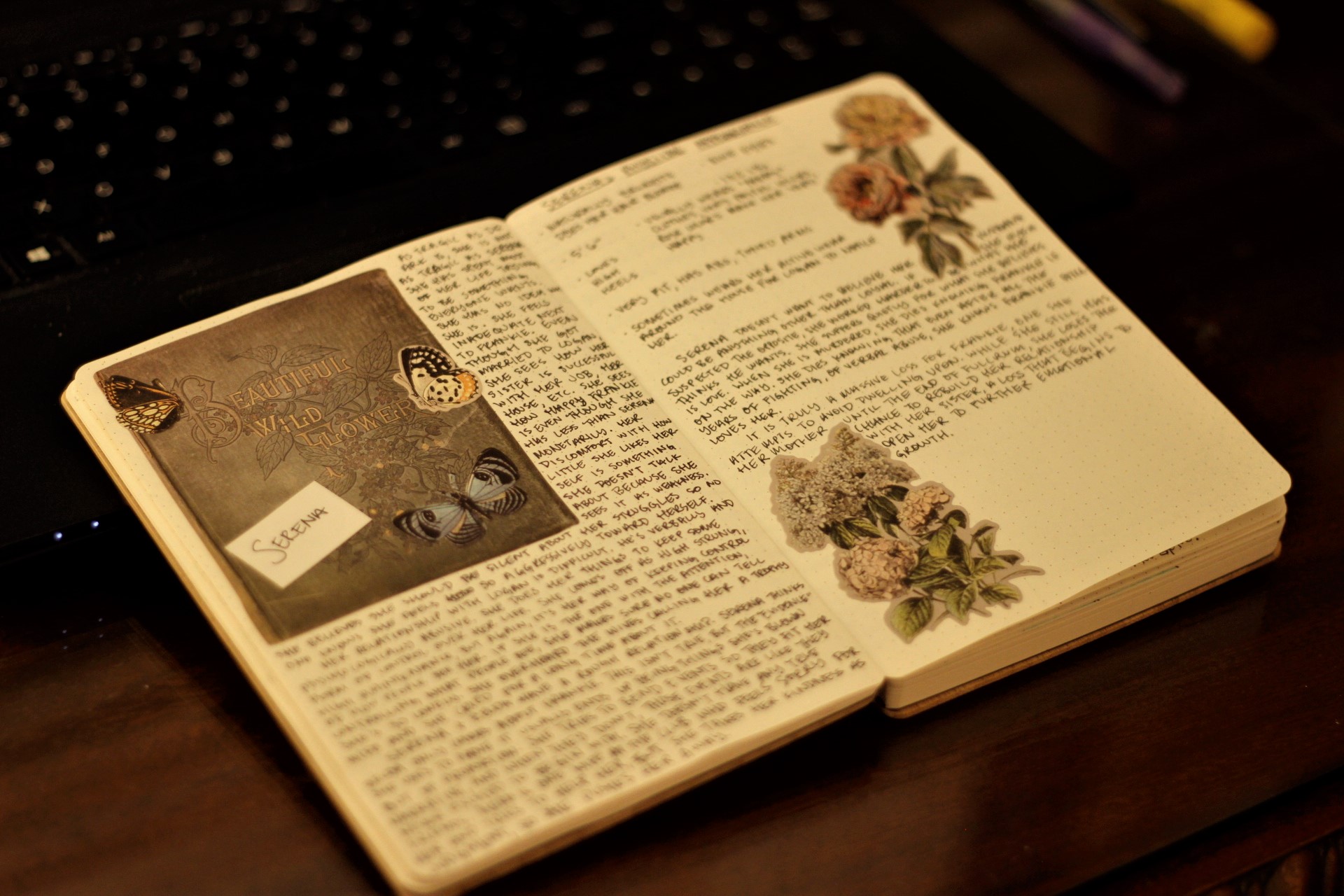
Serena is Zelda’s oldest daughter, and Frankie’s half-sister. She’s a tragic character. She has spent most of her life trying to be something everyone wants. She has no idea who she is. Feels inadequate next to Frankie. Even though she got married to Logan (will be posted another time), she sees how her sister is successful with her job, her house, etc. Frankie is happy even though she has less than Serena in terms of material possessions. Serena’s discomfort with how little she likes herself is something she doesn’t talk about because she sees it as weakness. She believes she should be silent about her struggles so no one knows she feels so aggressively to herself.
Her relationship with Logan is difficult. He’s verbally and psychologically abusive. She does her things to keep some form of control over her life, but comes off as high strung, high maintenance. Again, though, it’s her way of maintaining how people see her. If she is the one with the attention, controlling what people see, she makes sure no one can tell she’s lonely. She overheard the wives of the country club calling her a trophy and she cried for a long time about it.
Serena and Zelda have a rough relationship, too. Serena thinks her mother only cares about Frankie. This isn’t true, but the “evidence” she uses to prove it usually ends up being things she’s blown out of proportion or twisted out of context. She tries to bend events so they fit her narrative, and when they don’t, those events are like they didn’t exist to begin with. She doesn’t have any true friends. There is one wife at the club who feels sorry for her and tries to help her, but she takes her kindness as judgment, so she pushes her away.
Serena doesn’t want to believe Logan would ever be anything other than loyal. If she ever suspected the opposite, she worked harder to be what he thinks she wants. She suffers quietly for what she believes is love. When she is murdered, she dies knowing Frankie is on her way to help her, that even after all the years of fighting, the verbal abuse she threw at her sister, Frankie still loves her and is coming to save her.
It is truly a massive loss for Frankie, one she attempts to avoid dwelling upon. While she still has her mother, until the end of Fulcrum, she loses the chance to rebuild her relationship with her sister, a loss that begins Frankie’s emotional growth.
A small backstory for this is I lost a friend of mine a few years ago when he took his own life. For the longest time it crushed me because I was worried I didn’t do enough to help him, to keep him. His birthday is today, and in the past I’d become a useless mess because I didn’t want to face the overwhelming sadness. I miss him most especially today. The piece below is something I wrote last year for him. There’s sadness today, but also joy because I got to know him even if it was for a short time.
Acceptance
It takes a lot of effort sometimes to remember the good moments when you’ve lost someone really close. Sometimes the grief is more than a wave. It’s a vacuum and you can’t feel anything but the pressure of that loss, the pressure of the absence of the person you loved. They can’t make jokes about how innocent you were. They can’t send you twenty-five YouTube videos of their favorite metal songs for you to wake up to. They can’t stay up until all hours of the night just because they love the sound of your voice.
You romanticize these moments. Look back on them with a fondness you never felt while they were here. Because they were here. You didn’t need to remember them fondly yet. You could keep talking even though your throat was sore and the birds were chirping and oh shit, man, I gotta work in four hours. I’ll talk to you later.
You gave so much of your love without knowing you had and now there’s nowhere to put it. So it bubbles over and leaves you with a displaced mess of smiles for boys with an Irish lilt to their voice, for those friends of yours now who ask if you want to talk about history, or go into why you’re slacking on your writing. You no longer hear that beautiful voice, but you remember the way it filled your heart with a hello, hey, I missed you.
It’ll be all right, you tell yourself. And it is. It’s absolutely okay. But sometimes it’s okay to miss them and accept you’re still sad about it.
written july 27, 2020
I watched Bo Burnham’s “Inside” last night and it’s kind of stuck with me in a big way. It rendered me speechless, but it was 2 A.M. and I was lost in remembering Robbie, lost in the sound and art of “Inside,” lost in wanting to just create forever. The world can often feel too large and yet still too close all at once and it’s so easy to get stuck in a loop of existing. Letting the world slide over you while you try to come back to what you’ve worked so hard to become. It ends up feeling like nothing.
But there’s a moment. A last ditch effort, that sniff of “not yet, I can’t give up yet,” and it propels you forward for a moment and lets you feel real. Like you’re invincible and everything is yours.
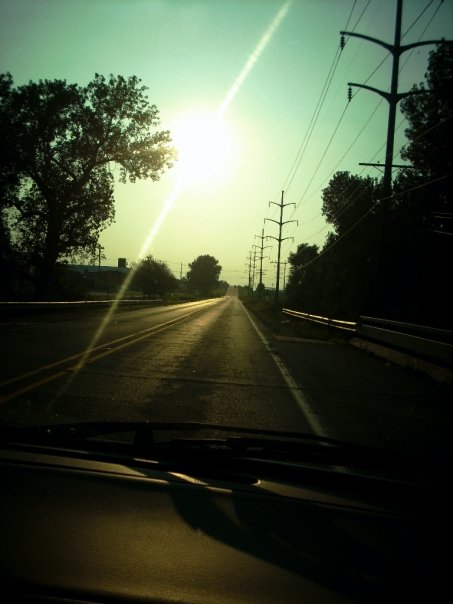
On my drive home at the end of summer, when the days start getting shorter, and the sun hangs lower in the sky at 7 p.m. The gold covers the earth and for a half hour I am okay. I see the world as I love to, without the filter of what keeps me up at night. It is striking and stunning and it is mine. That is the world I exist in with Robbie. With Henry. With all the ones I love. It’s the rush of air coming in through my windows, in the breath of sweet grass baked in the sun all day. I am the realest I’ll ever be and it is enough.
Born in Lexington, but parents moved to Lowell when she was five
black hair to her waist, curly
brown eyes
5’7”
141 lbs
glides when she walks
angles instead of curves, sharp features, but still soft
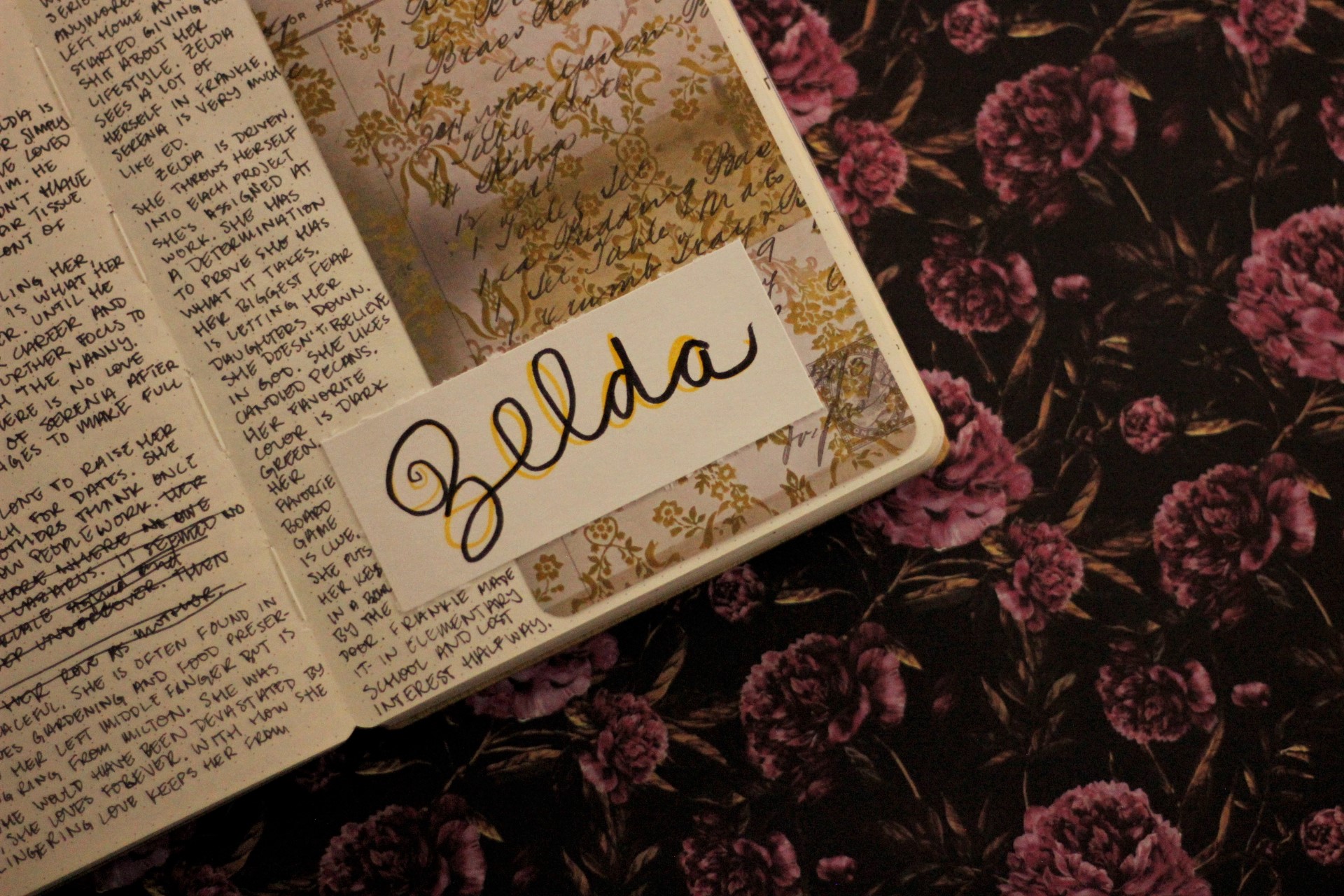
Zelda is a sunrise. She is vibrant and brings a room together simply by being in it. She is Frankie and Serena’s mother. She loved Milton Fogg at one point, but he erased her memories of him. He claimed for her safety, but it was really so he didn’t have to be a father or husband. This removal leaves scar tissue which Dr. Rodrigo Ark then removes at the end of Fulcrum. Zelda is killed in front of Frankie.
She is an only child. Instead of this spoiling her, she learns independence fairly quickly. This is what her first husband, Ed Shorn, admired about her. Until he thought she should spend less time on her career and more time being a wife. When Zelda instead turns her focus further on work, Ed begins a relationship with the nanny. While this hurts her, by this time, there is no love left for Ed. She lives for taking care of Serena after she fires the nanny. Still manages to make partner at her law firm.
When Ed dies, she moves on with Milton. By the time Frankie is born, however, Zelda is alone to raise her two girls. She doesn’t actively search for dates. She spends less time worrying what others think once she understands the basics of how people work.
Zelda is gracious and graceful. She is often found in long, flowing dresses. She loves gardening and food preservation. She wears a ring on her left middle finger, but is unsure why. It’s her wedding ring from Milton. She was deeply in love with him. She would have been devastated by his loss. Part of the depth of her love for Milton comes from the arrangement of the Thrice Unbound. With how she felt about him, the lingering love kept her from finding someone else.
She loves her children, but her relationship with Serena is not what she wants it to be. Frankie is her favorite by no reason other than she spends more time with her. She’s worried about her because of how little emotion she exhibits. She thinks there is something wrong, but can’t say anything because they don’t have serious conversations anymore after Frankie leaves home. Serena gives Zelda grief over her lifestyle–alone, in a big house, no desire to be anything other than what she is. Zelda sees a lot of herself in Frankie, while Serena is very much like Ed.
Zelda is driven. She throws herself into each project she’s assigned at work. She has a determination to prove she has what it takes. Her biggest fear is letting her daughters down. She doesn’t believe in God. She likes candied pecans. Her favorite color is dark green. Her favorite board game is Clue. She puts her keys in a bowl by the door. Frankie made it in elementary school, but lost interest halfway through, so it’s more of a plate than a bowl, and only painted in blobs and splotches.
When I was in elementary school, every morning Mr. H would come over the PA system, blasting “My Girl” before delivering the morning announcements. After the announcements were done, a student would lead the school in the Pledge of Allegiance. This practice happened every morning of my school life from elementary until my senior year when we were given the option of not rising or reciting. As a tired senior, I was grateful for the option of staying seated, and I never really considered the significance of what we spoke each morning for so many years. The practice continued, of course, and as I sat there, I started to think about the words. The original words are as follows:
“I pledge allegiance to my flag and the Republic for which it stands, one nation, indivisible, with liberty and justice for all.”
The addition of the phrases “of the United States of America,” and “under God,” weren’t added until much later. I’m not debating the addition of these words today, but what I am drawn to is the significance of the word “indivisible.” It’s not even a joke anymore how clearly split down the center my country is. The memes hide the excruciating sadness at such a fragile thread of balance left. There are two major camps, something that always amazes me how people can be lumped into one specific group when the issues are so diverse. To me, this is not what the founders of our country had in mind when they began the bells of revolution just 245 years ago. In my short span of life, that feels like an age has passed. And with the rush of technology and information, it certainly can be described as such.
In one of my favorite underrated musicals, 1776, there’s a powerful scene where they’re preparing to vote on the resolution for revolution (essentially). The vote has been stalled because the south wants the clause about slavery being abolished removed, and the north doesn’t want to take it out. Here’s a quote from that scene:
Benjamin Franklin: “John, I beg you consider what you’re doing.” John Adams: “Mark me, Franklin, we give in on this issue, posterity will never forgive us.” Benjamin Franklin: “That’s probably true, but we won’t hear a thing, we’ll be long gone. Besides, what will posterity think we were, demi-gods? We’re men, no more, no less, trying to get a nation started against greater odds than a more generous god would have allowed. First things first, John. Independence. America. If we don’t secure that, what difference will the rest make?”
I bring this scene up not because I want to prove that slavery was kept to appease the south, but more because I reached an understanding high school me didn’t see. The founders weren’t more than men brought together to build something new, something completely unheard of, and we’ve raised them to the level Franklin mentions. I’m not naive enough to believe that those men were infallible, that they were the brilliant beings we tout them to be, but I respect what they were trying to do. Franklin’s comment about how if they didn’t secure independence, there’d be nothing to fight for, that fits the part of me that wants to fight for the world.
I don’t have a very loud voice on the internet, but I am doing my research to see what I can to help end the division. In my immediate surroundings, anyway. History cleaned the books up too well, and the issues plaguing us now are because we are too fragile to see what was done to build the country we currently call home. Land was stolen, backs were broken, blood was spilt, lives were lost to provide what we have today. Trying to shove that under the proverbial carpet is irresponsible and incorrect. Lying to ourselves about our past is only hurting us and our future. We cannot grow if we refuse to accept what we’ve done.
There’s one more quote I have from 1776 that remains to this day what I try to live my life by. Abigail Adams, in the musical, is trying to remind her husband of why he’s fighting for this whole thing, and she quotes something he said to her once, and that is:
“There are two creatures of value on the face of this earth: those with a commitment and those who require the commitment of others.”
This quote stokes the fire I have for lifting others up, for trying to help the world be a better place for everyone. Again, I’m not so foolish to believe it can be done quickly, but I’m firmly rooted in my belief that it can be done. I take those words to mean I require commitment of others–to do the best they can. To learn, to grow, to work toward being better. To treating others better. But not to do more than they are able. Minds can be changed. It takes monumental effort, but it can be done. We don’t yell or shout down violence on those who yell back at us. No, we take this to the quieter ones. The ones who see both sides. We talk, and we listen, and we then take what we learn back to whatever side we’re on, and we educate. We share what we learn, and we then build each other up.
It’s my fervent hope. I want accountability from those who need to own up to the reality of what our history was, and I want to see us grow together.
Once more I found myself uncertain of what I wanted to write about this week, and I still don’t think I have a full grasp on it yet, but we’ll try it out and see how far we go. I’ve been thinking a lot about self-worth and self-image and before you tune me out and say “this ain’t a self-help blog,” I know. And I know I’ve talked about this kind of stuff before on this blog, but I gotta just put my thoughts down here.
It’s an interesting thing nowadays, where we have the socialization on the internet. Complete strangers read what I write and sometimes click a button showing they enjoyed what I had to say. “Back in my day,” I say like I’m wise enough to, we didn’t have the luxury of tucking ourselves behind a digital screen to consider ourselves social. It might be a leap to call social media “socializing,” but I’ve witnessed friends end friendships on Facebook over something someone said, and that’s just as real life as anything else. Sure, it may not be fisticuffs in the parking lot after work or anything, but the way people take certain things seriously online these days is wild to me.
I guess that’s where I question why I do this blog. I appreciate that I have a goal to maintain it and keep it going because it’s very much for me more than it is for anything else. I do appreciate those of you who read this and continue to read it, but I don’t know. I’m not quitting, just pondering the efficacy of such a life. Where validation has become external and internalizing that sounds like a foreign concept.
I’ve always thought I had a deep self hatred–which I do–but it’s not every day that I think I’m garbage. It’s only when something I perceive as significant happens that I tend to spiral into a thought loop of hate and “you’re not worth the effort.” Now, let me clarify by what I mean when I say something I perceive as significant, because there have been times where I’ve felt something pretty powerful about the way I’ve been treated, and the person (or persons) who did the thing to me don’t see it the way I do. A wise friend of mine once told me to make sure I was telling the right story to myself to see if how I was reacting was accurate or if it was what I thought I should be feeling. Because of that, I’ve grown a lot in my perception of how I respond to things.
But what I’m talking about, the significant thing, I mean something like a personal failure. I’ve been trying to get in the habit of regularly walking/jogging with one of my best friends after work (our parking lot allows for such a side quest), and my gut reaction most of the time is “another day,” or “next week will be better.” I posted about the book The Power of Habit on here recently, and one of the things the author brings up as a key force in changing habit is the power of belief in that change. I go into full panic mode when change happens. I don’t do well with it, not even slightly. Even if it’s positive. The reason being is I don’t have the core belief that I am capable of being who I want to be.
Do you know how heartbreaking that is to realize? My niece, who’s 2 1/2 ish years old, adores me and she knows I am so full of love for her. She doesn’t know how little I care about myself. Mainly because that part of me doesn’t exist when I’m around her. She deserves the best the world can give her.
But so do I. I’m not good at this. Where I confront myself and try to see a way around the problem until I can fix it properly. Because it bubbles up and turns into days where my throat hurts because I’ve been holding back tears. Self pity is one thing, but knowing the way you feel about yourself isn’t good is a completely different thing. It gets tricky when you try to change that because if you’re like me, you have almost two decades of practice throwing yourself to the proverbial wolves and hoping you make it out the other side. I know I’ve said this before, but I don’t tell people that mental illness gets better, because it doesn’t really. You find ways to carry it differently, so your neural patterns go a different way when certain things happen. The change bit there is almost subconsciously done because we tend to shy away from discomfort.
I’m not sure if this all makes sense, or even if it flows well. I don’t think I’ve said all I wanted to, but I don’t know how to express that at the moment. This weekend I’m being gentle with myself and telling myself it’s okay to skip mowing the lawn because the bees need the clover. I hope you’re well, and I hope you have a pleasant weekend. You are worthy of good things, and it’s not a problem if you take time for yourself.
Click-bait title aside, this week I feel like talking about something a bit different. I love music at the same level I love reading, and while I don’t have the time (and you probably don’t have the desire) to go into every single song or piece that’s influenced me, I’m going to give a small rundown of some of the music that’s made a difference in my life. These are in no particular order, and a link to the full album will be given at the end of the post if I can find a playlist on YouTube.
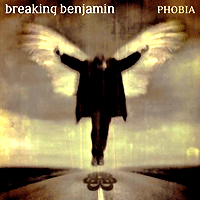
Phobia by Breaking Benjamin
This album was my main writing music back when I was first working on Fulcrum and for a while the song “Breath” was one of the main character’s theme, but that’s since changed to “King Rat” by Modest Mouse. One of the big reasons I love this album is how each song can be applied to some memory I have of a feeling during some of the harder parts of my life. My favorite song is a tie between “Had Enough,” “Dance with the Devil,” and “Unknown Soldier.”
This Time Around by Hanson
Of course, whenever I say I’m a fan of Hanson, everyone always goes, “ohhh, the Mmmbop boys!” And yes, them, but the rest of their music is ridiculously fantastic. They’ve never once broken up or taken a hiatus. They make music constantly and have one of the biggest fan bases ever. I’ve been to a few of their concerts and each were some good times. They know how to play to the crowd, and they are talented musicians as well as singers. I have Zac Hanson’s autograph on my wall, and it’s one of my prized possessions. I love this album because while Middle of Nowhere showcased their lyrical talent (shut up, listen to them and tell me those are solid lyrics), This Time Around is where they really start to get into the harmonies that don’t sound sort of tinny. They are all incredible singers, with Taylor and Zac usually taking the lead vocals. Zac’s my favorite. (Side note, there’s a video of me at a concert where Zac took his hair down and you can hear me in the background going, “oh my god, Zac took his hair down. Zac took his hair down!” I was not a teenager…)
Hail to the Thief by Radiohead
I don’t remember how long ago it was I first heard Radiohead, but this album was the beginning of my “I’ll binge an album for several days” obsession with music. It’s my favorite of the albums, and it has some really smooth sounds on it. When I get into music, I tend to listen to the sound first and then the lyrics, which is a big factor for one of the later collections on this list. I found myself drawn to the weird sound Radiohead produced. Thom Yorke has a distinctive voice, and their songs all tend to have a “well that’s different” quality to them. None of that is a bad thing to me. My favorite songs are “Sail to the Moon,” “There, There,” and “A Wolf at the Door.”
Radiohead is the first band I really listened to when I wanted to branch out of my standard, more conservative stuff. I say that, and the next album is definitely not conservative, but here it is.
Meteora by Linkin Park
I always feel cheap and cheesy when I get emotional over a celebrity’s passing, but with Chester, it was really hard. This album got me through some of my roughest times. I felt like someone understood what I was going through (and I know that sounds like all the angst ridden teenager stuff it is). When you’re in the thick of it, hearing someone say out loud in words you never could what your head is like 24/7 is pretty powerful. I feel like people shit on Linkin Park for the way their sound changed, but as someone who’s been a fan since their first album, personally I loved hearing their growth. Each album was something new, which is a rarity I feel these days because most of the music sounds the same. I know I sound like an old fuddy duddy, but there’s a reason why I have no idea who most of the major artists of the 2010s are. When I hear songs like “Breaking the Habit,” or “From the Inside,” or “Nobody’s Listening,” I get that feeling of safety I had when I listened to the album on my Walkman on the bus ride home, full volume so people knew I was that mysterious girl who had intense feelings (I’ve always been self aware, don’t worry). And then “Session” is just fantastic in its sound production.
Leaders of the Free World by Elbow
If you want to talk about hearing the sound and then feeling the lyrics later, this album 100% is that for me. All of the songs on this sound so good, and then you listen to the lyrics and suddenly you’re transported to feelings you weren’t sure you knew how to feel. I first heard of Elbow after coming across a playlist by an author (I won’t mention names, but if you were ever a teenage girl who thought you needed love from a sparkly vampire, you know where I’m coming from and we can all move on), and I decided the whole album sounded fairly decent. I listened to it for years before I paid attention to what they were singing, and while that may sound ridiculous, I still can’t hear the right words to Gwen Stefani’s “Hollaback Girl” (Few times I’ve been around that track so it’s after school to have a midnight snack). So yes, the lyrics are spectacular. My favorites are “Forget Myself,” “Everthere,” and “Great Expectations.”
Hilary Hahn Plays Bach by… Hilary Hahn
The amount of times I’ve listened to this album in particular is immeasurable. I am not a fan of Bach normally, but the way Ms. Hahn infuses emotion into her playing turns this otherwise dull (to me!) composer into someone worth listening to. I met her once, and cried in front of her because I can’t deal with social situations with goddesses, but she signed my copy of her CD and it’s now something I listen to most Saturdays when I need to feel at peace. I don’t have a favorite from this album because the whole thing is such a wonderful experience.
Ofnir by Heilung
Talk about out of left field, huh? This is a recent listen for me. The album itself has been around since 2015, but I didn’t hear it until earlier this year while I was stuck on Fulcrum. This is 100% a favorite because of the sounds. Heilung is described as “sounds from the northern European Iron Age and Viking period.” (from their bandcamp page) I don’t remember what song I heard first, but I ended up buying this and their other album Futha the next paycheck I got. Since then, I’ve listened to them both on repeat nonstop for most of my work days and it’s been motivating as well as centering. Such an odd feeling that chants and guttural droning can get me grounded. But I fully recommend them if you’d like something new.
These Four Walls by We Were Promised Jetpacks
Another one chosen for sound first, lyrics later, this band is raucous but stupidly pleasant. They have a lot of repetitious lines and that normally gets annoying to me, but they make it work. I don’t remember where I first heard them, but it was probably on a Pandora radio station back in the day. I have most of their discography, and they keep producing seriously good music. Their name is also one of the best band names out there. I’d say more, but really it deserves a listen. My favorite songs are “Conductor,” “Quiet Little Voices,” and “An Almighty Thud.” Go listen. You might like it.
Noah Gundersen
This is the part of the post where we dive into categories because I can’t just give one album. Starting this off is Noah Gundersen. I’d say I’m in love with him, but I’m not really. I just appreciate his work and his sound is what my head feels like most days. I love what he creates. I’ve been listening to him since some of his earlier albums like Ledges and Family, but he has a whole wealth of fantastic music to listen to. His very early work is more of a folk/indie sound, and his later sound is heavier with more drum and electric sounds. The evolution of his style has been delightful to witness. He works very hard to promote local music and he’s very much a socially conscious artist, part of why I appreciate what he does. He is humble, and he is so appreciative of his fans. I went to a concert of his for the first time a few years ago and it was on the same emotional level as the day my niece was born. I am still speechless to this day about it and it was in 2019. He hugged me after I gushed about how much I loved his work and also babbled about the book I was reading (because I am incapable of being normal), and then during the concert I forgot how to breathe a few times because he is just incredible. Some of my favorite songs of his are “The Sound,” “Little Cup,” “The Ocean,” “The Difference,” “Time Moves Quickly,” “The First Defeat,” and the last one I’ll give for now is “Oh, Death.”
And this brings us to the final category: Classical. This is already a super long post so I’ll try to keep this part short, but bear with me. I grew up getting the best of both music worlds because my dad was more into the rock ‘n roll and my mom was more classically inclined. I got stuff like the Beatles, the Who, Fleetwood Mac, Steely Dan, all the classic rock from my dad. And from my mom I got Chopin, Tchaikovsky, Debussy, and so on. I wasn’t too big on the earlier eras, like baroque, but once the Romantic composers kicked in, well. There is something indescribable about the way it feels to hear swells of an orchestra during an emotional moment in a piece. Cello solos where you feel like you’re being swept into a river of sound, violin piercing the parts of you that don’t want to remember things, but now you must. It’s enough to make me feel ridiculous, clearly. My first love is the piano, and one of my goals this year is to be better about practicing. It’s hard to focus, but habits can change. So for this category, I’m leaving a YouTube playlist of my favorites. Notable mentions: Elgar’s Nimrod variation, Liszt’s Un Sospiro, and La Campanella, Stravinsky’s Rite of Spring (Movements 1-3 in particular, also the Nutcracker by Tchaikovsky but that’s not on the playlist), Debussy’s Clair de Lune (absolutely a classic), and a few others.
If you’ve made it this far, thank you so much for spending this time with me today. I hope you’ve been able to relax and that maybe you’ve found some new music to listen to. Below are YouTube links to the albums above, and a playlist of my favorite classical pieces (links open in a new tab). Until next time, friends!


 salisbury.fake