Bolt Madly Toward Yourself

While I wish I could claim credit for that phrase in the title, it comes from an article written by Chuck Wendig (I’ll link it below, should you be so inclined to read it). It’s been on my mind recently, just that phrase, because I always hear people saying to chase dreams, and while I agree we should go after worthwhile endeavors (you decide what’s worthwhile, I guess), I think we should instead chase after ourselves.

Not in an “oh-shit-there-I-go-again-better-stop-me,” kind of way, but more of an “I’m-actuallly-kind-of-cool-what-else-have-I-missed-by-hating-myself?” kind of way. I’m not saying it will get rid of the insecurities we plague ourselves with, but once you get past all the reasons you’re terrible, maybe you’ll see you aren’t actually terrible.

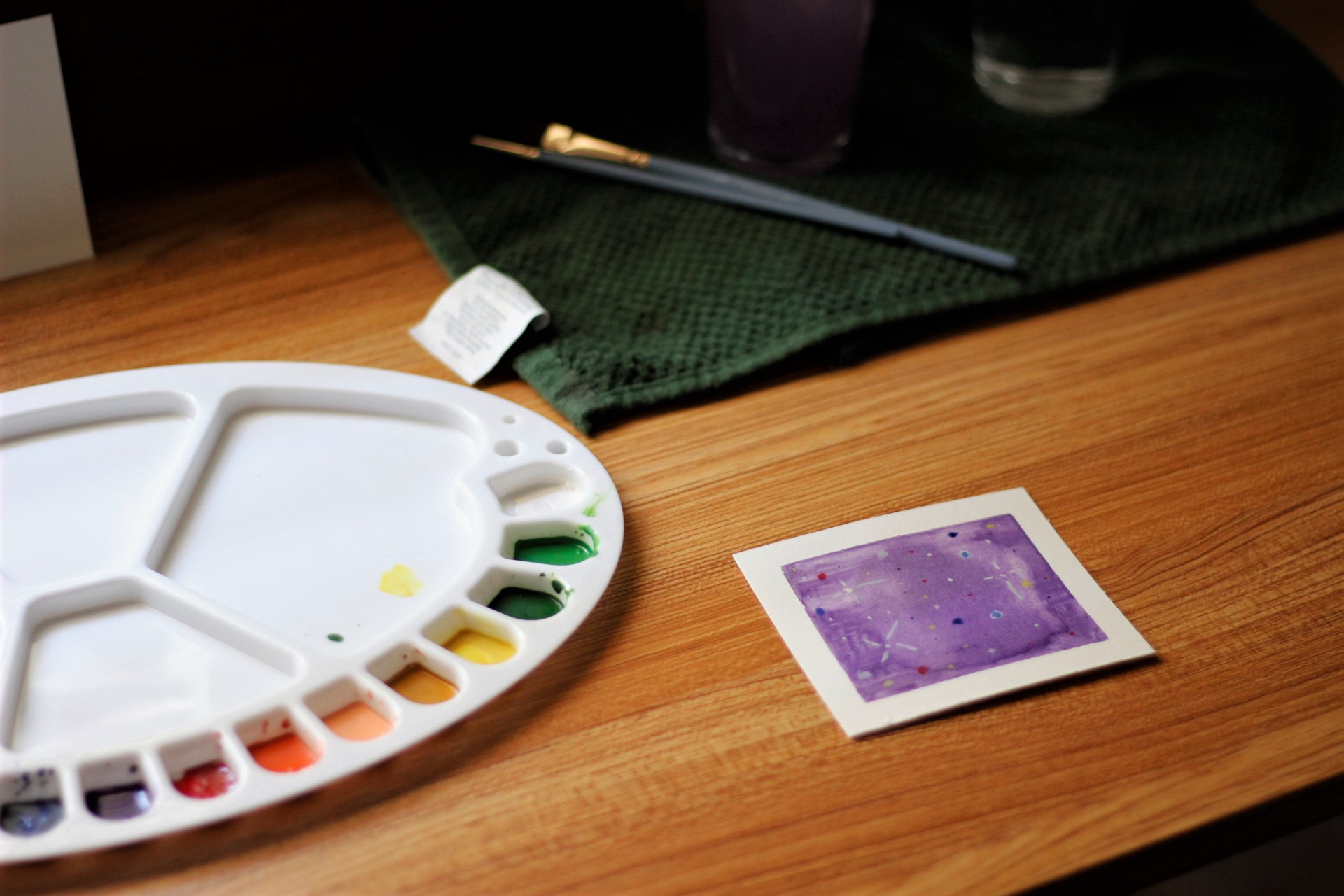
I’m not an art success by any stretch of the imagination, but I want to become a watercolor artist of sorts. I want to do tiny paintings, and so I’ve taken steps to start practicing. As well as practicing hand-lettering because I think it’s cool when people do that kind of thing. It takes practice and sometimes I’m so much of a defeatist that when I don’t get something on the first try, it’s suddenly garbage and I don’t want to do it.

Bolting madly at ourselves is a way of saying enough is enough. It’s a way of grabbing hold of your own shoulders, metaphorically, and staring yourself in the eyes and seeing that you aren’t the bile pile you somehow convinced yourself you were.

It’s a challenge. To the things that keep you up at night. To the people who planted the seeds of discord in your heart. It’s a direct refusal to be anything less than who you are and while that sounds so damn simple and stupid out loud, let it sink in. Because we are more than what we let ourselves tell us we are. I believe it wholeheartedly. It’s why I’m still kicking. Literally fighting for myself because I never have and I’m tired of seeing the same disappointment every time I have a set back in my progress.

This is a month I’m focusing on my goals a bit harder. I want to prove to myself that I am capable of changing my habits, changing the things about me that keep me from being who I want to be. I write in my journal about it so often, and I get irritated that I keep slipping back into the “comfort” of who I am right now. Not bad, but not what I want.

I challenge you to do better for yourself. Start doing something that makes you feel real. Hopefully that’s nothing harmful to you or others, but I’m not your mom, so I can’t tell you what to do, really. But you owe it to no one but yourself to start seeing yourself as real, as important. As worth the time. I promise I’m working on it more.

Until next time, friends.

The link to Chuck Wendig’s article is here:

http://terribleminds.com/ramble/2012/01/17/25-things-writers-should-start-doing/
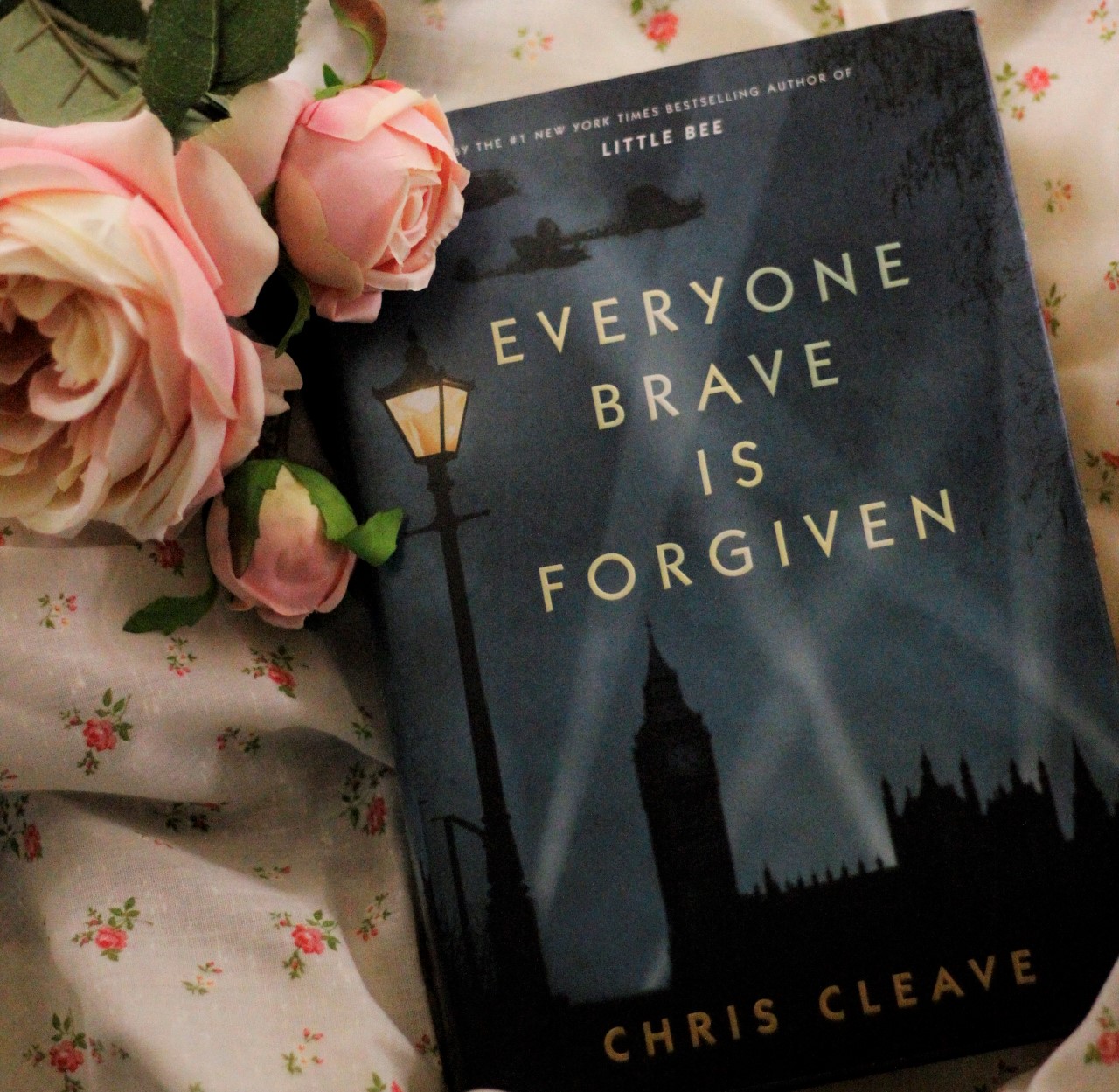
Everyone Brave is Forgiven by Chris Cleave

Everyone Brave is Forgiven grabbed me by the title and I pulled it from the shelf without much other thought. From the cover, it looked like it was going to be about London during WWII, and I was correct, but I still put it on my to-read shelf and forgot about it. I don’t know if I’ve ever said so on here, but WWII is one of my favorite times to read about, fiction or not, and so I tend to gravitate toward those stories. So many of them are similar, and yet all of them are different. I find sometimes they can be a bit predictable, and while at times this book was to me, I still enjoyed what I read.

What I liked about this book the most was the main female character, Mary. She comes from an upper middle class family (fairly more well-to-do than a lot of people), and when mobilization begins, she decides to join up in the form of becoming a spy. Well, they don’t need her to be a spy, but they do send her to a school to be a teacher. She has no experience in this field, but she takes to it easily, loving the children instantly. She becomes a teacher right before the evacuations took place and children were sent to the countryside of England.

Mary befriends a black boy, Zachary, and she promises to write to him while he’s away. Racism is a theme in this book, and while Mary sees nothing wrong with being friends with Zachary (he’s a small child), her family and friends tell her she’s being impertinent and socially incorrect. There’s quite a bit of language used that made me uncomfortable, and I know it’s “how they talked at the time,” but it still gave me some pause as I read it.

Zachary is abused by the people in the country, and eventually he’s brought back to London where he goes back to school with Mary as his teacher. Mary has a unique talent for getting what she wants, and when her class is evacuated, the first thing she does is go to the man in charge of her district and asks for another class. He tells her there isn’t anyone to teach, but she points out those who were left behind for “difficult circumstances.” Sometimes Mary’s privilege shows when she can’t understand why certain things are done the way they are, but by the end of the story, she’s learned. Mary is vibrant, sarcastic, and determined. Her enthusiasm for doing what she believes to be right is never quite squashed by the bombs dropped on her city.

There is heartbreak and absolute tragedy throughout the story. Depictions of violence and some graphic details of war wounds and building devastation. It all adds up to a well told story that by the end of we are possibly just as tired as the characters. The few moments where I was dragged out of the story because of my stretch for belief were few, and hardly significant past the moments they were.

I give this book an 8/10.

*******I read the 2016 Simon and Schuster hardback edition*******