Hey, there friends! Happy New Year! I’m behind my own arbitrary posting schedule already, but that’s because I gave myself the deadline of January 31st to finish the first book of my series. I also decided that I am not writing with the expectation of becoming a best seller, but more for myself because I love telling this story so much. And that is pretty much where I find myself this evening as I scurry around for a post.
I’m doing a few challenges this January that I’ll talk about in February, but one of the things I’ve challenged myself for the entire year of 2022 is to read more. As with many writers, I find when I read more, I write more. And better. Obviously not on this blog because of the run ons, the inconsistent punctuation, etc, etc. The beauty of this blog is again, I’m writing for myself. I was going to start this year with a book dump of some books I recently finished reading, but I decided to go for a journal update. The last spreads I have to get done before I start the dictionary for the language I’m creating are the plot outlines of each book.
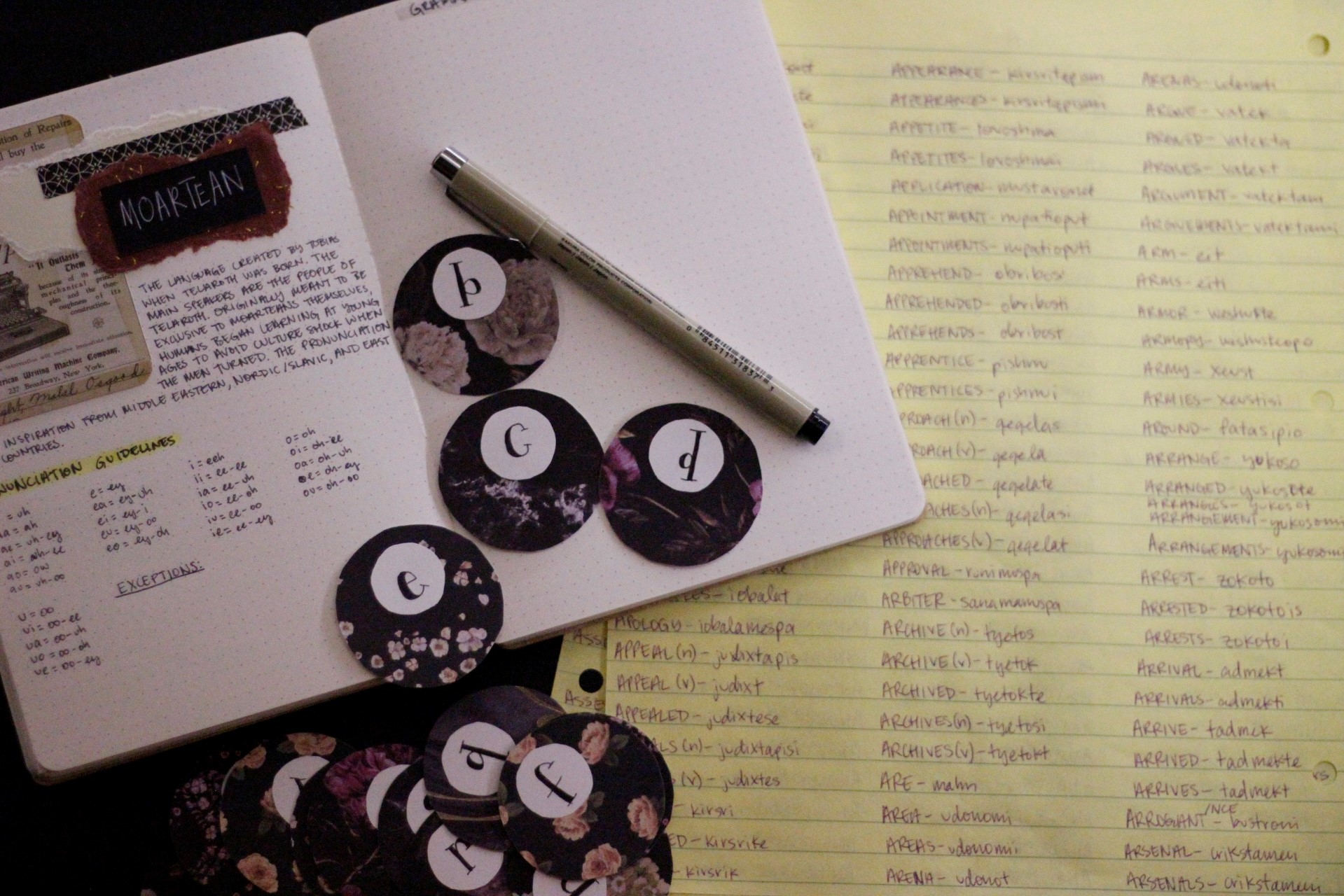
So, the photo for today is a look at the beginning of the dictionary for Moartean. I got the A section for English done last week, and that felt pretty cool. My strategy is to go through a “learner’s” dictionary and pick words that I think the Moarteans would use. The biggest thing for me is trying to figure out which ones could be used multiple ways. Moarteans are interesting people in that they are simple when it comes to words, but complicated when it comes to expressing themselves. Some words can be used interchangeably, while others are kind of “what is this person trying to say to me?” It’s an fascinating thing where I look at words like, “alert,’ and “alarm.” They mean similar things, but have different applications that require context. So, do I make them interchangeable? Or do I apply context to them?
I know it’s extra to create a language. I know not many people would want to do such a thing. But it makes too much sense to me, and incorporating some of it into each book, with the third book having the most in it, feels ridiculously satisfying. I created a prophecy using the language and reading it out loud makes the nerdy part of my brain tingle in a way that it rarely does unless I’ve spent an entire day writing or working on writing things.
I know I post a lot of things motivating people to believe in their goodness and their worth, and that will still be a thing, but this year I’m going to try and incorporate more of what I love into this blog. It’s still a lifestyle blog, but writing is what makes me feel the most real. I know that sounds so pretentious and cliche, but I don’t do a lot of appreciation of myself. Seeing the world I’ve created in my head over the last decade come to life on the page is a feeling I don’t think I have the words to give you. If I could pass the brightness to you, so you could get a glimpse of effulgence I feel after wearing my neck out from being hunched over a notebook for a day, I would give it to you. I would love to share that joy with you.
And that’s a small look into my last few weeks, creativity wise. I hope your year has started well, and I hope you are being kind to yourself because you deserve kindness. I’ll see you soon with a look at some of the books I finished already this month.
Usually wears “preppy” clothes, pastel colors (rose colors make her very happy)
Loves high heels
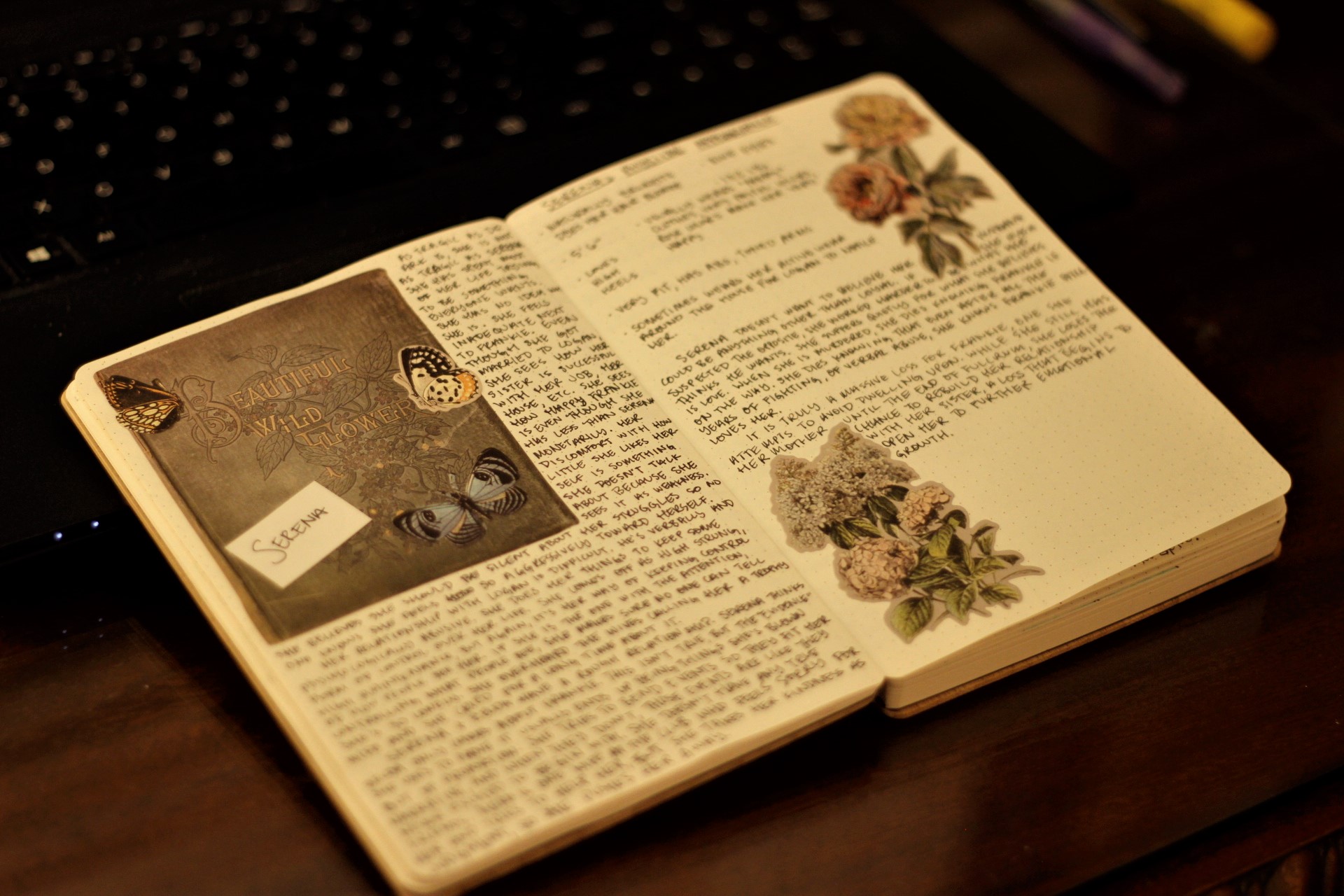
Serena is Zelda’s oldest daughter, and Frankie’s half-sister. She’s a tragic character. She has spent most of her life trying to be something everyone wants. She has no idea who she is. Feels inadequate next to Frankie. Even though she got married to Logan (will be posted another time), she sees how her sister is successful with her job, her house, etc. Frankie is happy even though she has less than Serena in terms of material possessions. Serena’s discomfort with how little she likes herself is something she doesn’t talk about because she sees it as weakness. She believes she should be silent about her struggles so no one knows she feels so aggressively to herself.
Her relationship with Logan is difficult. He’s verbally and psychologically abusive. She does her things to keep some form of control over her life, but comes off as high strung, high maintenance. Again, though, it’s her way of maintaining how people see her. If she is the one with the attention, controlling what people see, she makes sure no one can tell she’s lonely. She overheard the wives of the country club calling her a trophy and she cried for a long time about it.
Serena and Zelda have a rough relationship, too. Serena thinks her mother only cares about Frankie. This isn’t true, but the “evidence” she uses to prove it usually ends up being things she’s blown out of proportion or twisted out of context. She tries to bend events so they fit her narrative, and when they don’t, those events are like they didn’t exist to begin with. She doesn’t have any true friends. There is one wife at the club who feels sorry for her and tries to help her, but she takes her kindness as judgment, so she pushes her away.
Serena doesn’t want to believe Logan would ever be anything other than loyal. If she ever suspected the opposite, she worked harder to be what he thinks she wants. She suffers quietly for what she believes is love. When she is murdered, she dies knowing Frankie is on her way to help her, that even after all the years of fighting, the verbal abuse she threw at her sister, Frankie still loves her and is coming to save her.
It is truly a massive loss for Frankie, one she attempts to avoid dwelling upon. While she still has her mother, until the end of Fulcrum, she loses the chance to rebuild her relationship with her sister, a loss that begins Frankie’s emotional growth.
Born in Lexington, but parents moved to Lowell when she was five
black hair to her waist, curly
brown eyes
5’7”
141 lbs
glides when she walks
angles instead of curves, sharp features, but still soft
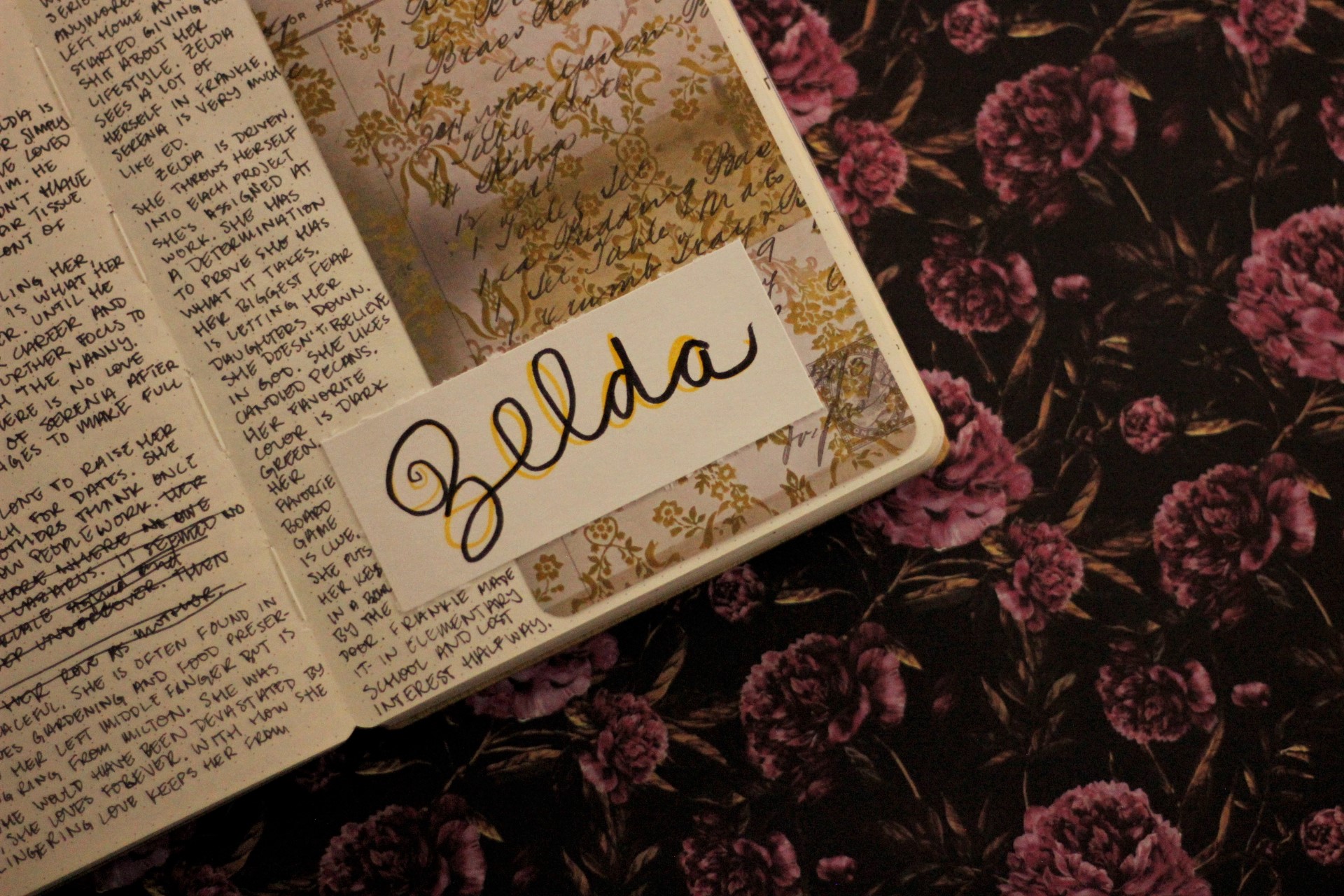
Zelda is a sunrise. She is vibrant and brings a room together simply by being in it. She is Frankie and Serena’s mother. She loved Milton Fogg at one point, but he erased her memories of him. He claimed for her safety, but it was really so he didn’t have to be a father or husband. This removal leaves scar tissue which Dr. Rodrigo Ark then removes at the end of Fulcrum. Zelda is killed in front of Frankie.
She is an only child. Instead of this spoiling her, she learns independence fairly quickly. This is what her first husband, Ed Shorn, admired about her. Until he thought she should spend less time on her career and more time being a wife. When Zelda instead turns her focus further on work, Ed begins a relationship with the nanny. While this hurts her, by this time, there is no love left for Ed. She lives for taking care of Serena after she fires the nanny. Still manages to make partner at her law firm.
When Ed dies, she moves on with Milton. By the time Frankie is born, however, Zelda is alone to raise her two girls. She doesn’t actively search for dates. She spends less time worrying what others think once she understands the basics of how people work.
Zelda is gracious and graceful. She is often found in long, flowing dresses. She loves gardening and food preservation. She wears a ring on her left middle finger, but is unsure why. It’s her wedding ring from Milton. She was deeply in love with him. She would have been devastated by his loss. Part of the depth of her love for Milton comes from the arrangement of the Thrice Unbound. With how she felt about him, the lingering love kept her from finding someone else.
She loves her children, but her relationship with Serena is not what she wants it to be. Frankie is her favorite by no reason other than she spends more time with her. She’s worried about her because of how little emotion she exhibits. She thinks there is something wrong, but can’t say anything because they don’t have serious conversations anymore after Frankie leaves home. Serena gives Zelda grief over her lifestyle–alone, in a big house, no desire to be anything other than what she is. Zelda sees a lot of herself in Frankie, while Serena is very much like Ed.
Zelda is driven. She throws herself into each project she’s assigned at work. She has a determination to prove she has what it takes. Her biggest fear is letting her daughters down. She doesn’t believe in God. She likes candied pecans. Her favorite color is dark green. Her favorite board game is Clue. She puts her keys in a bowl by the door. Frankie made it in elementary school, but lost interest halfway through, so it’s more of a plate than a bowl, and only painted in blobs and splotches.
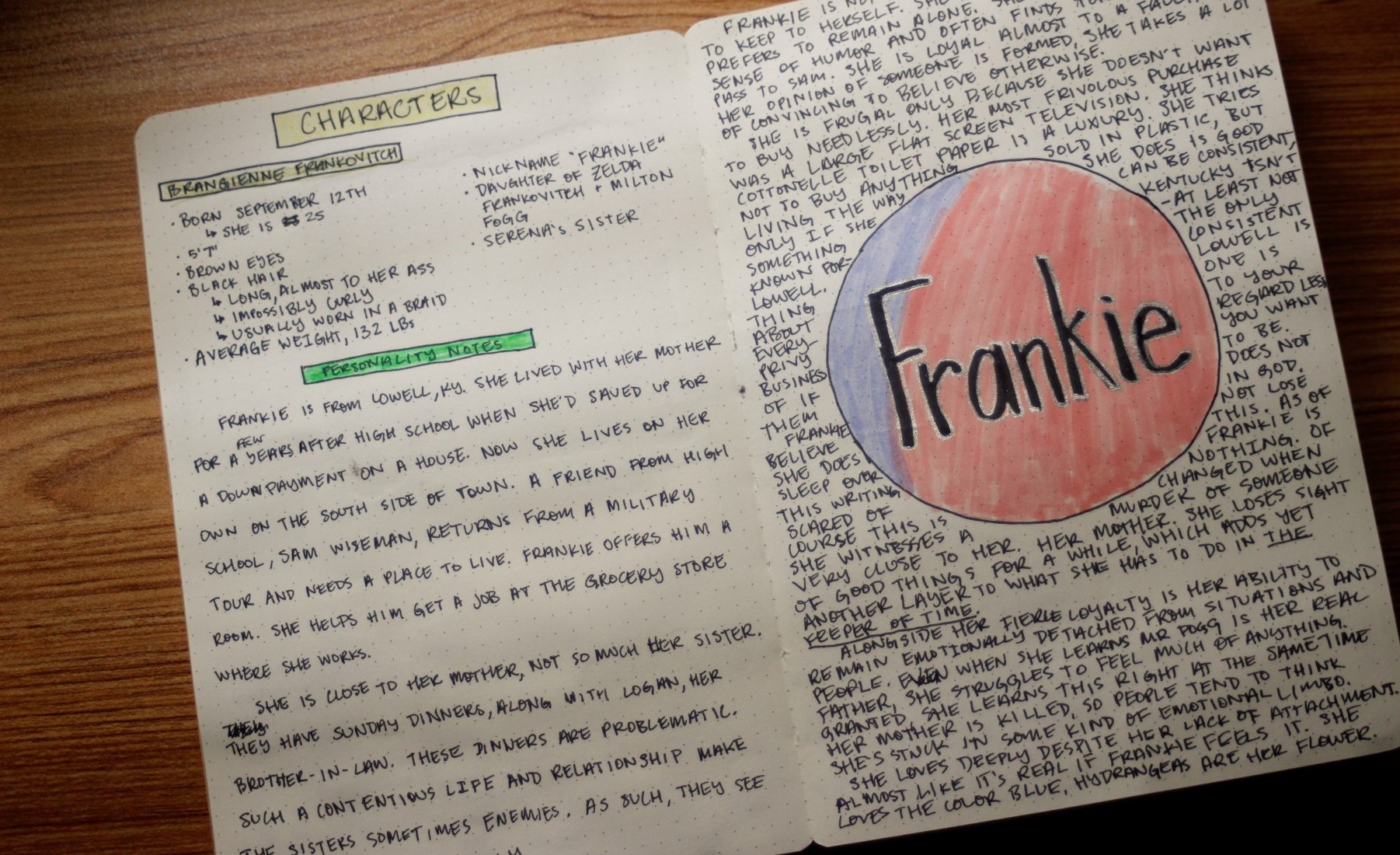
This week, we’re going into my world building journal and taking a look at the main character of my Maker trilogy, Frankie. There are a lot of traits in her that I have myself, but that’s the truth of almost all writers. Injection of our best and worst qualities feels like the thing one does when one tells stories.
Brangienne “Frankie” Frankovitch
Born September 12th, at the time of the story, she is 25 years old.
5’7″
Brown eyes
Black hair (long, almost to her hips, impossibly curly, usually worn in a braid)
Average weight, about 132 pounds
Daughter of Zelda Frankovitch
Sister to Serena Shorn
Frankie is from Lowell, KY. She lived with her mother for a few years after high school when she’d saved up for a down payment on a house. Now she lives on her own on the south side of town. A friend from high school, Sam Wiseman, returns from a military tour or two and needs a place to live. Frankie offers him a room. She helps him get a job at the grocery store where she works.
She is close to her mother, not so much her sister. They have Sunday dinners, along with Logan, her brother-in-law. These dinners are often emotionally explosive between Serena and Zelda. Such a contentious life and relationship makes the sisters sometimes seem like enemies. As such, they see each other infrequently.
Frankie is not an overly loud person. She tends to keep to herself. She isn’t anti-social, simply prefers to remain alone. She has a very dry sense of humor and often finds terrible jokes to pass to Sam while they’re supposed to be working. She is loyal almost to a fault. Once her opinion of someone is formed, she takes a lot of convincing to believe otherwise–both in a positive and negative way.
She is frugal only because she doesn’t want to buy needlessly. Her most frivolous purchase was a television. She thinks Cottonelle toilet paper is a luxury. She tries not to buy anything sold in plastic, but living the way she does is good only if she can be consistent, something Kentucky isn’t known for–at least not in Lowell. The only thing consistent about Lowell is everyone is privy to your business regardless of if you want them to be.
Frankie does not believe in God. She does not lose sleep over this. As of this writing Frankie is scared of nothing. Of course this changes when she witnesses a murder of someone close to her. Her mother. She loses sight of good things for a while, which adds yet another layer of what she has to do in The Keeper of Time.
Alongside her fierce loyalty is her ability to remain emotionally detached from situations and people. Even when she learns who her father is, she struggles to feel much of anything. Granted, she learns this right at the same time her mother is killed, so people tend to think she’s stuck in some kind of emotional limbo. She loves deeply despite her lack of attachment. Almost like it’s real if Frankie feels it.
She loves the color blue, and hydrangeas are her favorite flower.
As I was deciding the topic for this week’s blog post, I realized I haven’t really shared much about what I’m working on in my own writing life. I’m not overly secretive about it, but I do tend to shy away from sharing because I struggle with showing people “unfinished” work. There is truth to the saying, “it’s never going to be truly finished,” but I take that a little too seriously sometimes. Here’s a very brief summary of the main plotline of my series, as well as a small peek into how I keep it all organized.
I’ve mentioned maybe once or twice that I’m working on a trilogy. It’s lumped under the main title of The Maker Series, with really pretentious titles for each book. The first book, Fulcrum, is the introduction to the story. We meet most of the main cast, leaving a few surprises for the second book. We meet the main character, Brangienne Frankovitch. She goes by Frankie. I get a lot of grossed out looks when I say her name, but I chose it a long time ago, and calling her something else would be a lie. She’s from a small made up town in Kentucky, and she’s revealed to be the chosen one. Yes, it’s a cliche story, but she’s not a teenager! She’s actually 25 years old, working a really chill job as a grocer’s assistant (she stocks, she runs the registers, she unloads deliveries, she’s everything except a manager). She lives with her best friend, Sam Wiseman, in a house she purchased two years out of high school after choosing not to go to college. Sam is a returned veteran of the armed forces (or so he says), and when they run into each other at the store while he’s buying food, he tells her he doesn’t have much going for him. She invites him to come live with her.
It turns out, Sam is not Wiseman, but Bayn, and he is a soldier, but not for the world Frankie knows. He’s from a place called Amaranth, and he’s a member of a private security firm sent to be her protector. Protect her from what, I hear no one ask? The Moarteans. See, when the world began, time had already been happening for a while. We were more of an experiment devised by those who created time. The Thrice Unbound created the First Four, who in turn had Milton Fogg and Tobias (no last name, he’s got the Beyonce vibe going on). Through some shenanigans, the two boys cause an all out war between themselves, and in order to settle things down, the Thrice Unbound allow them to each create a world. The one Milton Fogg creates is our world, our time as we know it. The one Tobias creates is called Telaroth (renamed Lazarus after some stuff goes down there). Tobias devises a way to rewrite the DNA of all his male citizens to turn them into sort of super soldiers (called? Moarteans). He’s doing this because he wants to destroy Milton. In the course of things and a lot of bad stuff happening in Telaroth, later Lazarus, it becomes apparent that his way of life is actually decreasing his chances of survival, and thus: Lazarus is born.
Frankie learns all of this, and is then taught how to fight (because it’s one of those stories, you know? She has to learn to fight). She loses family. She loses friends. She loses parts of herself, literally, because the Makers (the people of Amaranth) also have a way to change DNA. Never one to be emotional, Frankie has intense feelings rear up in a way she’s not had to deal with before, and with that comes anger, defeat, and hopelessness. The friendships she does make along the way keep her grounded, but she will, of course, never be the grocery girl from Lowell ever again.
The second book is called The Keeper of Time and in it Frankie learns the truth about all things, about how she’s been bamboozled. She’s been coerced into a fight that shouldn’t even be happening, but here she is. She goes on a sort of spirit quest to find herself (and a character vital to the end game–it’s a road trip book, I know, cliche, but hey! quests are important to life. Whether it’s to the gas station for drinks with your best friend at 2:30 in the morning, or to find a broken priestess wandering the metaphorical desert, a journey is a journey is a journey). She also finds herself in the hands of someone she wasn’t prepared to see ever again, someone she thought was a distant memory (not a romance, lawls). By the end of the second book, with further trauma to add to what happened in the first, Frankie returns to Amaranth to find it in an uproar. A militia has been formed and people are ready to storm the castle gates, in a manner of speaking. Frankie can’t convince anyone of the reality of the situation, so she escapes into Lazarus.
Which brings us nicely to the third and final book, Lazarus Rising. I’m aware of the biblical implications here, but the larger metaphor is the only association to the Bible story of Lazarus. I don’t want to go into too much summary here because I want to hold this one as close to my heart as I can. It’s the end of the ride. The last bus stop. The culmination of nearing decades of work. Frankie faces incredible challenges, often left with more questions and more bruises both physical and mental. But she is resilient. She prevails in the face of her torture. For a time. Maybe. Am I being mysterious enough?
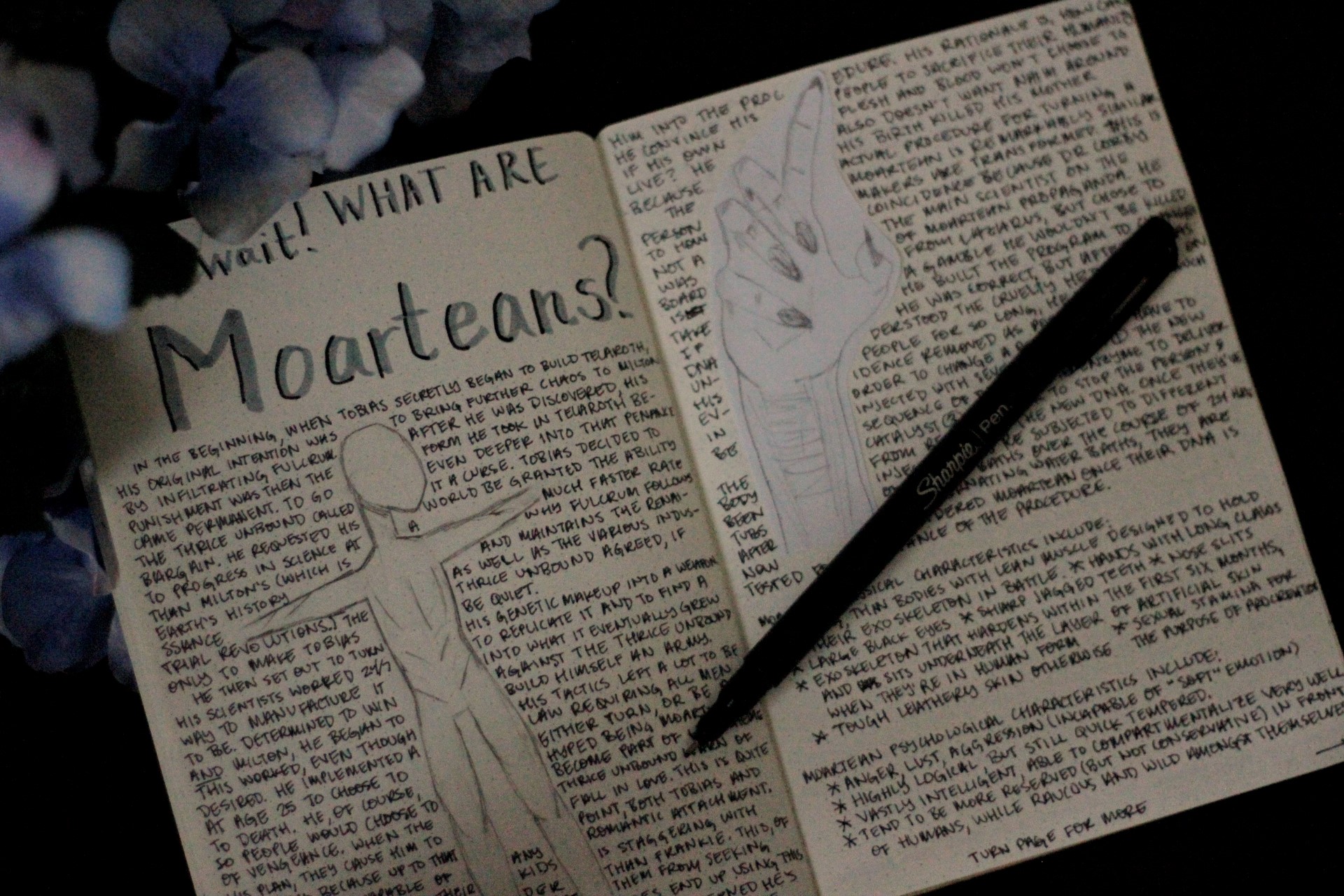
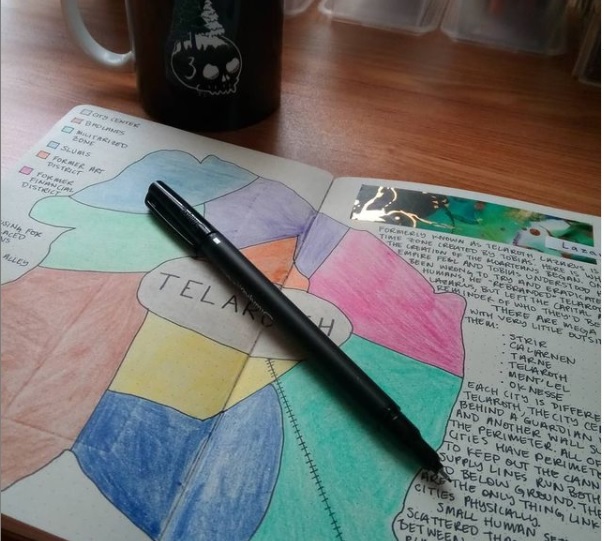
The world of the Maker series is a complex one because technically there are three separate places: Fulcrum (our world), Amaranth (also known as The World Between Worlds), and the “alternate reality” of Lazarus (formerly known as Telaroth). The easiest way to keep track of all my thoughts on this came about in the form of a journal. I’ve been compiling notes on characters, settings, and all kinds of other things, and eventually the language of the Moarteans will be housed in the journal (yes, I’m going the extra Tolkien mile by creating a language). A snippet or two of the journal is included in this post, but it is by no means complete. So far, I’ve gotten spreads done for all the characters (from all books), and now I’m working on getting the settings down.
Setting is more than a place, which is obvious, but bear with me. When I started working on the pages for Lazarus, it struck me I’d never committed anything to paper about who the Moarteans are. I’ve done rough notes for previous drafts, but the race was never really part of the story except for a few instances. This became an issue fairly quickly because the third book takes place almost entirely in Lazarus. I’ve never gone into who these people are, and now I’m planning an entire book with them? Part of why I began the worldbuilding journal was so I could have a designated place of reference. I know there are apps and programs that help writers sort things into their proper places, but I’m a far more visual person, so I needed to feel the place as I wrote it down. I needed to be the ball so to speak.
By giving myself the opportunity to physically create the Moarteans (on paper, anyway), I’ve allowed myself to fully immerse in the world I’m hoping readers will enjoy. This is not by any means the way I’d recommend people work out their worldbuilding. What I’ve chosen to do suits how my brain functions. I think I mainly wanted to showcase, finally, what I’ve been spending so much of my free time on the last little while. It’s a handy reference tool. It will house everything there is to know about my books in one place. As I’m getting ready to end this blog post, I’m already planning on spending some more time working on my journal tonight.
 salisbury.fake