If the Trees

Note: This is a short piece I wrote for a contest last month. It does contain strong language and drug references (marijuana).
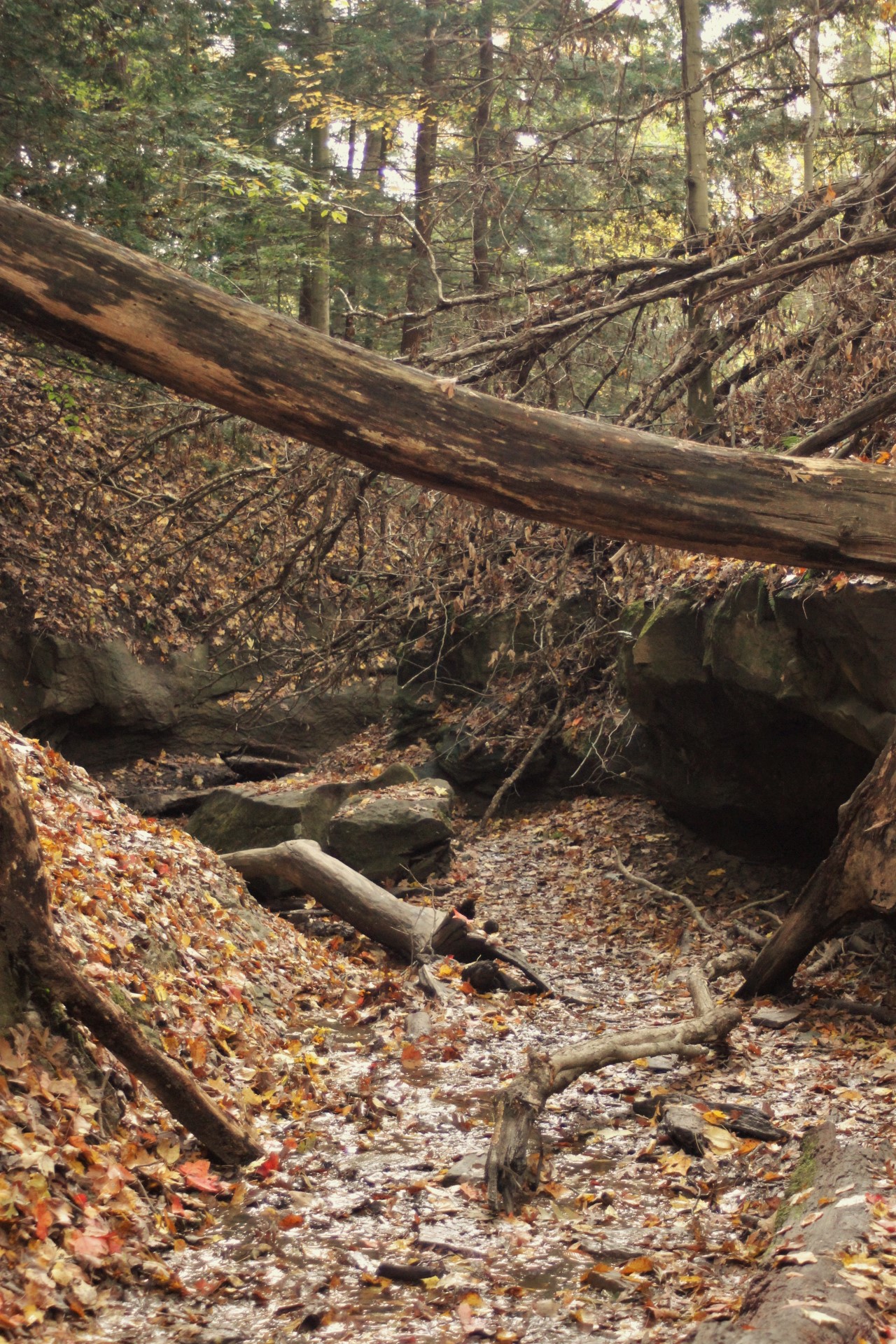
Malcolm saw the caravan first. I know he debated even radioing the rest of us, but he probably figured I’d make his life more miserable if he didn’t. The caravan was parked where Solomon said he’d leave it when he told us last night. I rode up on my motorbike and sat staring at it for a few minutes. Waiting for the others. Wondering why I didn’t just go in and get it over with.

I heard Malcolm’s ugly voice calling out from behind the silver bullet of a trailer. He hollered about how the door was locked. His irritated banging had me off my bike and running across the abandoned lot before I knew what I was doing. His gray caterpillars for eyebrows shot to what was left of his hairline as I skidded around the bumper.

“Oh, didn’t know you heard the call out, Sida.” He bowed and backed away. “Ladies first.”

I shoved him away, my blood boiling. “Hoping I didn’t want to see?”

“Can you even get in?” He hitched his sweatpants higher and retied the drawstring. “Bastard locked it before he went all vagabond-y.”

“Will you shut up?” I rubbed my forehead, my eyes squeezed tight. Headache percolating behind them. “Go wait for the others.”

Malcolm scrubbed his hand over his two week stubbly beard. “You aren’t the only one who’ll miss him.”

I gave him a small grimace meant to be a smile as I dug into the pocket of my jeans. “You just hope he left behind his weed. Please, Mal? Let me have a moment.”

He waved and grunted as he returned to where he’d parked his truck. I pressed my palm to the door, the metal cool even though the sun had been out that day. The first time I went into the caravan was the day Solomon joined the crew. He met us at a rest stop out in Ohio and had no kind words when Malcolm assigned me to be his navigator. He’d tolerated me and let me know it. Guys like Solomon didn’t need to be told where to go. They went and the world followed.

I unclenched my fist and slid the key into the lock. He gave it to me three years ago. We’d stopped at one of the campgrounds for a week, watching everyone else at another crew’s fire. Solomon hated the noise, and I did too, but never said so.

He had a softer voice than people expected. His gruff exterior always scared kids and made their parents raise their eyebrows. Old enough to be my father, and I still looked about forty years younger than him. We sat at our caravan—his caravan—listening to the laughter take over our friends. My friends.

“Two years, yeah? That’s how long you been my navigator?”

I dragged my eyes away from Malcolm flirting with the matriarch of the other group. “Yeah, two years.”

He rubbed his chin and nodded, not looking at me. “You like it, Sida?”

Something about how he said my name made the rest of the world go quiet. I nodded, unable to take my eyes off of him. “I love it.”

That was the end of the conversation, but before I headed to my tent, he pressed a key to my palm and told me to hold on to it. The same key I now had waiting to turn. I didn’t want to see inside. Not without him. It wouldn’t be right.

Gritting my teeth, I swung open the door and let it close quietly behind me. I hated it immediately. The caravan smelled like his cigarillos. I laughed and sank against the counter of the kitchenette.

“Damn it, Solomon,” I said, lightly tapping my forehead on the cabinet above the practically useless sink. I’d broken the faucet once trying to make him dinner. He fixed it, but it never worked right in the winter.

“Focus.” I didn’t have long before Malcolm would figure out I had the key.

I knew where to find what I needed to. Solomon told me two nights ago. He’d asked me to stay the night. I should have known. He never let me stay. Said it would ruin my reputation, even though they already thought we were together. Said he didn’t want the others to talk about me like they knew me. They did know me, I protested, and he told me the only knew a speck of who I was. It made me laugh and I lit one of his cigarillos for him.

“And you know me so much better, is that it?” I propped my feet on the dashboard. “My own momma ain’t know me, man. What makes you think you do?”

He didn’t answer, just took a long drag. “I got money. Not much, but enough. The others don’t know about it. In case something happens, I want you to have it.”

“You planning on me needing it?”

“It’s just in case,” he said, snapping a little. He rubbed his bald head and sighed. “I want you to stay tonight, Sida.”

The sound of tires on gravel ripped me back. I cleared my throat and went to the front. The passenger seat. Where I usually planted myself for hours at a time. We didn’t talk much at all those first few months. He’d mostly argue with me on directions and be mad when I was right.

I swiped at my eyes and opened the glove box. “You absolute bastard,” I muttered as I pulled out a small box.

It wasn’t very wide, but it was long and deep. Everyone else knew this box as his stash. His weed sat in neat bags balled up in the far corner. There were food vouchers in a bundle held together by a rubber band.

A folded piece of notebook paper waited on top of it all. I sighed, more of a groan, and opened it. “Fucking asshole.”

Sida, this won’t be long. I said what I needed to already. I hope you’ll indulge in the weed at least once, but if not I’m sure Malcolm will take care of it. You know how to find the rest. Take any books you want. Burn the rest of it down. –Solomon

I laughed and got up, still holding the box. Standing took too much effort and I sank down against the cupboards and hugged my knees as sobs took over. As quietly as I could, I cried for Solomon. Something he’d have hated.

Two nights ago he asked me to stay. Every other night, we’d separate to sleep. I’d head to my tent, wishing I could slip under his sheets and lay beside him. Just be next to him. He brought me into the caravan long after everyone else had gone to sleep. I didn’t know what to expect, really. But he held me. That was it. He held me as we talked even more. It was all I’d ever wanted, and being close to him, pressing my face into his shirt, feeling his chest rumble as he spoke in the too early hours of the morning—I’d never known anything like it.

He’d despised me for so long, hating that I was beside him everywhere. It was the rule of the crew, though, that everyone went in pairs and there was a navigator. Eventually after several long months, he didn’t tell me to shut up and we talked. About books. Stories he wanted to tell but never had the right person around to hear them. He’d been divorced since the nineties. After his only novel sold, he quit the life he knew and began his roadtrip, a circuit around the country, weaving through the states on his way from coast to coast. He found us through a bulletin board posting at a rest stop near Chesapeake. Met us in Ohio. He liked Malcolm. At first.

I pushed myself up and began to dump out the box. On the bottom was a tiny button. Pressing it opened the lower half. Ten thousand dollars. I stuffed the cash into my jacket pockets and laid everything else on the counter.

Two nights ago. Solomon took me to his bed and ruined anyone else’s chances of me falling in love with them. He stroked my hair, listening to the night sounds around us, the dimness giving him eerie shadows on his face.

“I’m leaving the group,” he said into my hair.

“Why?” I tried to sit, but he held me still. “Solomon, I don’t–”

He rolled onto his back and put his hands behind his head. “It’s time. I’m going to hike for a while. Live off the land. Become the land.”

“But won’t you—won’t you be lonely?”

His smile surprised me. He reached over and trailed his fingertips along my arm. “I don’t think so.”

A lump almost choked me and I faced away from him. The bliss turned to ash in my gut and I wanted to leave. He rose to his elbow and pulled me back. Cupped my face so he could study me. Learn every bit of my face and burn it into his brain forever.

“I love you, unearthly thing. That’s why I won’t be lonely.” The kiss he gave me felt like goodbye.

Malcolm slammed open the door as I was putting the books I wanted into a small box. “You’ve had quite a few moments. Where is it?”

I passed him the weed and food vouchers. “Here, you prick.”

“Did he off himself?”

I went to the door and took a last deep inhale, patting the pocket I’d tucked one of his cigarillos into. “You should get what you want. I’m burning it.”

“But we can use it, Sida.” He gestured to the rest of the caravan. “Cleaned up a bit, we could do so much with–”

“Five minutes and it’s on fire.”

Leaving him to paw through the contents, I took my box to my bike. The others had arrived. Malcolm’s wife patted my arm as I passed her. She winked and fixed her face into a serious mask, calling the others over.

No one wanted to go in. The crew just stood around waiting for her say-so. Eventually, they’d have to go in. Such was the nature of nomads. Take what’s useful, leave the rest. Magda gave a nod and they descended on the caravan. I turned away, unwilling to watch the desecration. My gaze landed on the box of books. Sniffling a little, I picked up the top one. Solomon insisted it was the best book of all time. I told him it wasn’t as good as some of the others he had in his collection. He didn’t talk to me the rest of that day.

I flipped open the cover and watched a photograph fall out. Crouching, I picked it up, not ready to see what I already knew was there. The moment I’d taken it lived forever in the back of my mind.

A year ago. Even though I never said so, Solomon knew I loved him. I think that’s why he never let me stay with him whenever we stopped. He thought he wasn’t enough for me. I didn’t know how to say he was, so I slept by myself in my tent, popped up next to his caravan.

I’d found an old Polaroid camera at a thrift store. It was only a few bucks, and I traded some of my food vouchers to Magda for use of her debit card to order film. I wasted most of the film. Taking photos of everyone. Solomon refused to be photographed. But as we entered our campground that night, I told him it wasn’t for anyone else, just for me. He’d given me some serious side eye as he stubbed out his cigarillo.

“Fine, but you have to be in it, too.”

I agreed and situated us so we’d both be in frame. Began the countdown.

“Look at me, Sida.”

It was the best picture I’ve ever taken. Both of us were lit by the last golden rays of the setting sun. He had a ghost of a smile while I beamed at him. He’d taken the photo from me and shook it before sticking it to the dashboard. Said it was for the both of us.

As I straightened, I saw he’d written on the back of it.

I hoped you’d take this one. I know I’ve made you mad. Probably think I’m an ass. But the beautiful thing about all of this, the whole last six years of my life, I wasn’t even looking when I found you.

I tucked the photo back into the book and turned to see Magda watching. She tilted her head and came to stand beside me. Passed me her pack of cigarettes and cleared her throat.

“I’ll give them five more minutes, and then I’ll let you light it up.” Her cheek twitched as she saw Malcolm wave from the driver’s seat. “I’m sorry, Sida. You can meet us in Topeka if you want to take some time to find him.”

“It’s fine,” I said as I lit a cigarette. I held the smoke too long, but forced myself to push it out in a long, slow breath. “If the trees are his home, the road is mine.”
Bolt Madly Toward Yourself

While I wish I could claim credit for that phrase in the title, it comes from an article written by Chuck Wendig (I’ll link it below, should you be so inclined to read it). It’s been on my mind recently, just that phrase, because I always hear people saying to chase dreams, and while I agree we should go after worthwhile endeavors (you decide what’s worthwhile, I guess), I think we should instead chase after ourselves.

Not in an “oh-shit-there-I-go-again-better-stop-me,” kind of way, but more of an “I’m-actuallly-kind-of-cool-what-else-have-I-missed-by-hating-myself?” kind of way. I’m not saying it will get rid of the insecurities we plague ourselves with, but once you get past all the reasons you’re terrible, maybe you’ll see you aren’t actually terrible.

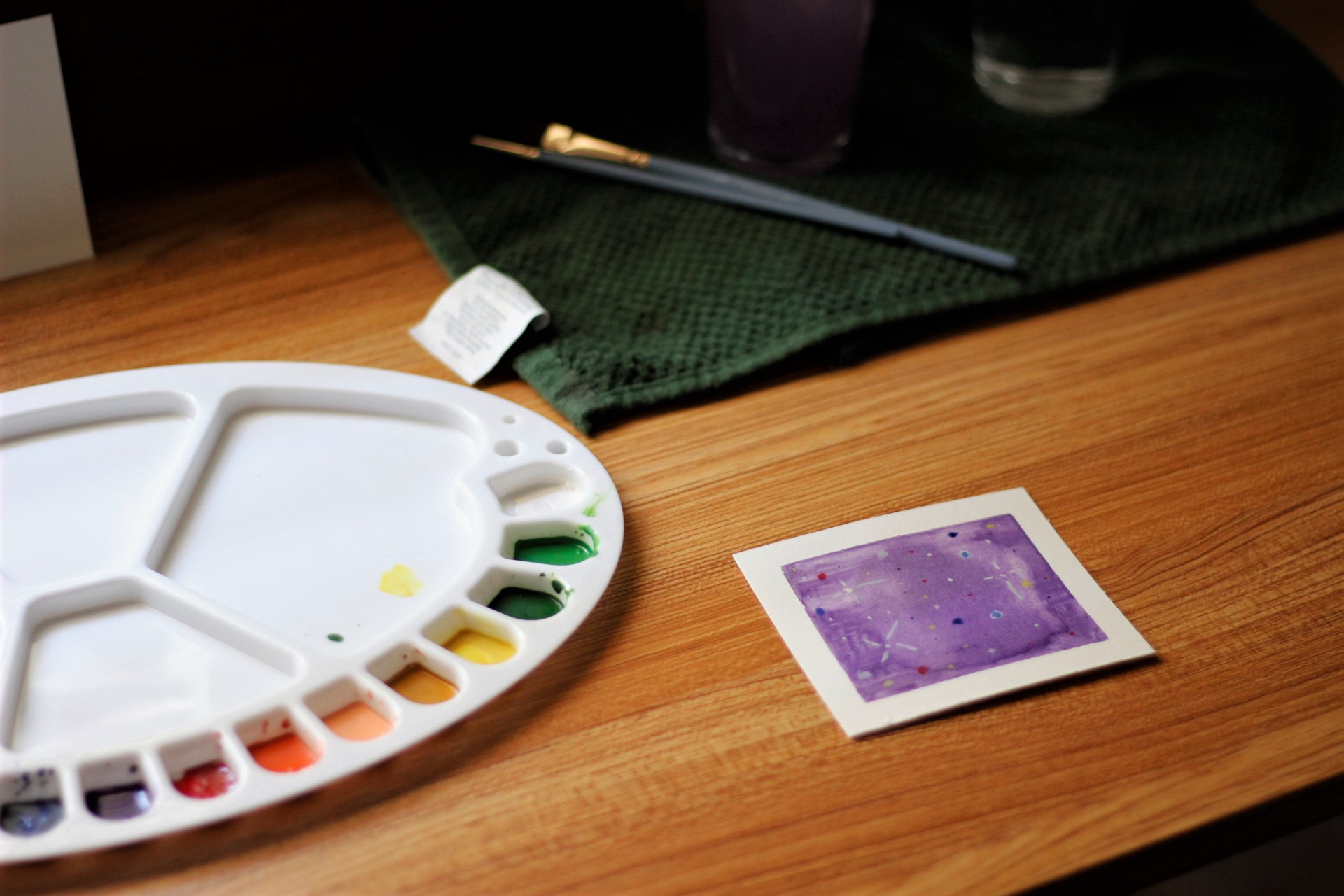
I’m not an art success by any stretch of the imagination, but I want to become a watercolor artist of sorts. I want to do tiny paintings, and so I’ve taken steps to start practicing. As well as practicing hand-lettering because I think it’s cool when people do that kind of thing. It takes practice and sometimes I’m so much of a defeatist that when I don’t get something on the first try, it’s suddenly garbage and I don’t want to do it.

Bolting madly at ourselves is a way of saying enough is enough. It’s a way of grabbing hold of your own shoulders, metaphorically, and staring yourself in the eyes and seeing that you aren’t the bile pile you somehow convinced yourself you were.

It’s a challenge. To the things that keep you up at night. To the people who planted the seeds of discord in your heart. It’s a direct refusal to be anything less than who you are and while that sounds so damn simple and stupid out loud, let it sink in. Because we are more than what we let ourselves tell us we are. I believe it wholeheartedly. It’s why I’m still kicking. Literally fighting for myself because I never have and I’m tired of seeing the same disappointment every time I have a set back in my progress.

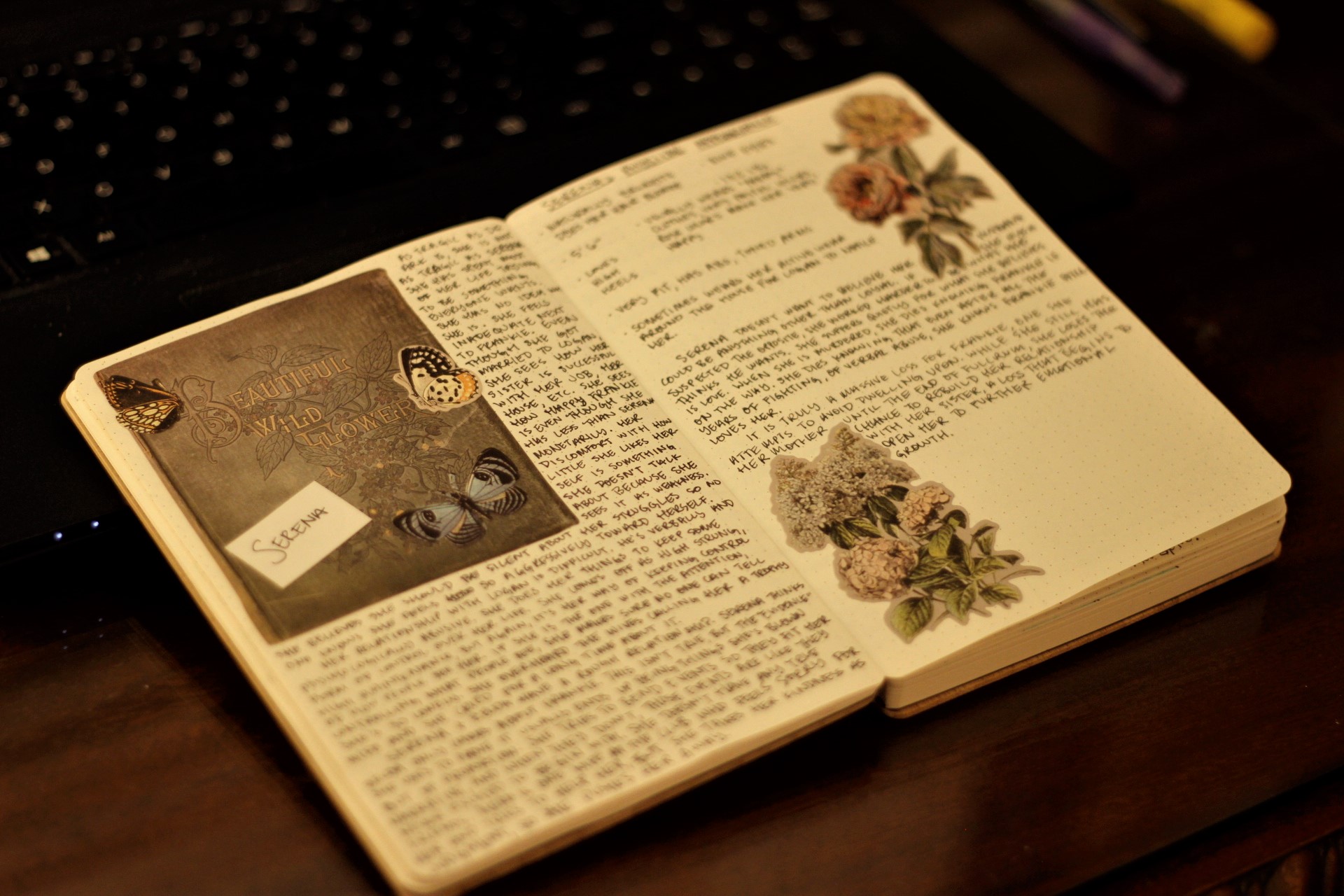
This is a month I’m focusing on my goals a bit harder. I want to prove to myself that I am capable of changing my habits, changing the things about me that keep me from being who I want to be. I write in my journal about it so often, and I get irritated that I keep slipping back into the “comfort” of who I am right now. Not bad, but not what I want.

I challenge you to do better for yourself. Start doing something that makes you feel real. Hopefully that’s nothing harmful to you or others, but I’m not your mom, so I can’t tell you what to do, really. But you owe it to no one but yourself to start seeing yourself as real, as important. As worth the time. I promise I’m working on it more.

Until next time, friends.

The link to Chuck Wendig’s article is here:

http://terribleminds.com/ramble/2012/01/17/25-things-writers-should-start-doing/

Poem I Wrote for a Boy, But Now Give to a Man

I never told you,
but when the sky is blue–
the kind you find on marshmallows
in Lucky Charms–
I have to take a picture with my eyes
and imagine you can see me.

You know,
I never said this when you were here,
but you made life breathable again.
It’s gotten hard to breathe
and I don’t know what to do.


I read recently that nostalgia lies to us about the people who’ve died. How we spend so much time remembering the good about them, and not really thinking about all the ways they’re awful. And it made me wonder, well what’s wrong with that? Why do I need to remember the ways a person hurt me when I want to be happy with the memories of them that bring me joy? I’m not offering them sainthoods in their next life, I’m offering myself respite from the grief of loss.

I’m fine, really. This week’s post is a poem I wrote back in 2013 and it was originally for my friend Robbie, but as I read it, I thought of Henry. It’s almost unfair how much of my creative processes get devoted to him, but if he’s been the reason I still write, or paint, or give light to the world, I don’t think that’s wrong.

From My Journal: Character Sketch

Serena Shorn

  • Naturally brunette, dyes her hair platinum blonde
  • 5’6”
  • Blue eyes
  • 132 lbs, very fit and toned
  • Usually wears “preppy” clothes, pastel colors (rose colors make her very happy)
  • Loves high heels

Serena is Zelda’s oldest daughter, and Frankie’s half-sister. She’s a tragic character. She has spent most of her life trying to be something everyone wants. She has no idea who she is. Feels inadequate next to Frankie. Even though she got married to Logan (will be posted another time), she sees how her sister is successful with her job, her house, etc. Frankie is happy even though she has less than Serena in terms of material possessions. Serena’s discomfort with how little she likes herself is something she doesn’t talk about because she sees it as weakness. She believes she should be silent about her struggles so no one knows she feels so aggressively to herself.

Her relationship with Logan is difficult. He’s verbally and psychologically abusive. She does her things to keep some form of control over her life, but comes off as high strung, high maintenance. Again, though, it’s her way of maintaining how people see her. If she is the one with the attention, controlling what people see, she makes sure no one can tell she’s lonely. She overheard the wives of the country club calling her a trophy and she cried for a long time about it.

Serena and Zelda have a rough relationship, too. Serena thinks her mother only cares about Frankie. This isn’t true, but the “evidence” she uses to prove it usually ends up being things she’s blown out of proportion or twisted out of context. She tries to bend events so they fit her narrative, and when they don’t, those events are like they didn’t exist to begin with. She doesn’t have any true friends. There is one wife at the club who feels sorry for her and tries to help her, but she takes her kindness as judgment, so she pushes her away.

Serena doesn’t want to believe Logan would ever be anything other than loyal. If she ever suspected the opposite, she worked harder to be what he thinks she wants. She suffers quietly for what she believes is love. When she is murdered, she dies knowing Frankie is on her way to help her, that even after all the years of fighting, the verbal abuse she threw at her sister, Frankie still loves her and is coming to save her.

It is truly a massive loss for Frankie, one she attempts to avoid dwelling upon. While she still has her mother, until the end of Fulcrum, she loses the chance to rebuild her relationship with her sister, a loss that begins Frankie’s emotional growth.

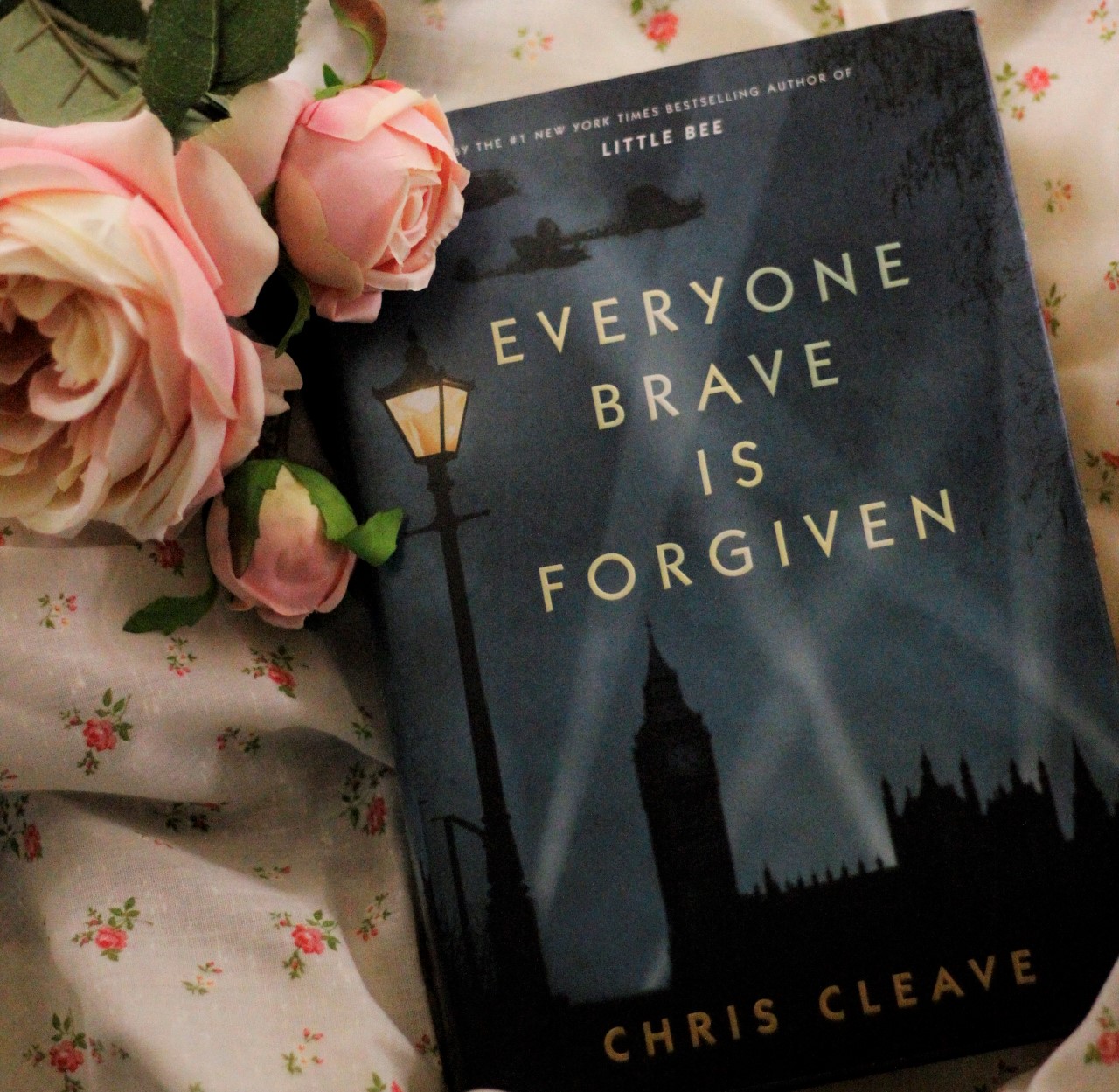
Everyone Brave is Forgiven by Chris Cleave

Everyone Brave is Forgiven grabbed me by the title and I pulled it from the shelf without much other thought. From the cover, it looked like it was going to be about London during WWII, and I was correct, but I still put it on my to-read shelf and forgot about it. I don’t know if I’ve ever said so on here, but WWII is one of my favorite times to read about, fiction or not, and so I tend to gravitate toward those stories. So many of them are similar, and yet all of them are different. I find sometimes they can be a bit predictable, and while at times this book was to me, I still enjoyed what I read.

What I liked about this book the most was the main female character, Mary. She comes from an upper middle class family (fairly more well-to-do than a lot of people), and when mobilization begins, she decides to join up in the form of becoming a spy. Well, they don’t need her to be a spy, but they do send her to a school to be a teacher. She has no experience in this field, but she takes to it easily, loving the children instantly. She becomes a teacher right before the evacuations took place and children were sent to the countryside of England.

Mary befriends a black boy, Zachary, and she promises to write to him while he’s away. Racism is a theme in this book, and while Mary sees nothing wrong with being friends with Zachary (he’s a small child), her family and friends tell her she’s being impertinent and socially incorrect. There’s quite a bit of language used that made me uncomfortable, and I know it’s “how they talked at the time,” but it still gave me some pause as I read it.

Zachary is abused by the people in the country, and eventually he’s brought back to London where he goes back to school with Mary as his teacher. Mary has a unique talent for getting what she wants, and when her class is evacuated, the first thing she does is go to the man in charge of her district and asks for another class. He tells her there isn’t anyone to teach, but she points out those who were left behind for “difficult circumstances.” Sometimes Mary’s privilege shows when she can’t understand why certain things are done the way they are, but by the end of the story, she’s learned. Mary is vibrant, sarcastic, and determined. Her enthusiasm for doing what she believes to be right is never quite squashed by the bombs dropped on her city.

There is heartbreak and absolute tragedy throughout the story. Depictions of violence and some graphic details of war wounds and building devastation. It all adds up to a well told story that by the end of we are possibly just as tired as the characters. The few moments where I was dragged out of the story because of my stretch for belief were few, and hardly significant past the moments they were.

I give this book an 8/10.

*******I read the 2016 Simon and Schuster hardback edition*******

Acceptance

A small backstory for this is I lost a friend of mine a few years ago when he took his own life. For the longest time it crushed me because I was worried I didn’t do enough to help him, to keep him. His birthday is today, and in the past I’d become a useless mess because I didn’t want to face the overwhelming sadness. I miss him most especially today. The piece below is something I wrote last year for him. There’s sadness today, but also joy because I got to know him even if it was for a short time.

Acceptance

It takes a lot of effort sometimes to remember the good moments when you’ve lost someone really close. Sometimes the grief is more than a wave. It’s a vacuum and you can’t feel anything but the pressure of that loss, the pressure of the absence of the person you loved. They can’t make jokes about how innocent you were. They can’t send you twenty-five YouTube videos of their favorite metal songs for you to wake up to. They can’t stay up until all hours of the night just because they love the sound of your voice.

You romanticize these moments. Look back on them with a fondness you never felt while they were here. Because they were here. You didn’t need to remember them fondly yet. You could keep talking even though your throat was sore and the birds were chirping and oh shit, man, I gotta work in four hours. I’ll talk to you later.

You gave so much of your love without knowing you had and now there’s nowhere to put it. So it bubbles over and leaves you with a displaced mess of smiles for boys with an Irish lilt to their voice, for those friends of yours now who ask if you want to talk about history, or go into why you’re slacking on your writing. You no longer hear that beautiful voice, but you remember the way it filled your heart with a hello, hey, I missed you.

It’ll be all right, you tell yourself. And it is. It’s absolutely okay. But sometimes it’s okay to miss them and accept you’re still sad about it.

written july 27, 2020


I watched Bo Burnham’s “Inside” last night and it’s kind of stuck with me in a big way. It rendered me speechless, but it was 2 A.M. and I was lost in remembering Robbie, lost in the sound and art of “Inside,” lost in wanting to just create forever. The world can often feel too large and yet still too close all at once and it’s so easy to get stuck in a loop of existing. Letting the world slide over you while you try to come back to what you’ve worked so hard to become. It ends up feeling like nothing.

But there’s a moment. A last ditch effort, that sniff of “not yet, I can’t give up yet,” and it propels you forward for a moment and lets you feel real. Like you’re invincible and everything is yours.

On my drive home at the end of summer, when the days start getting shorter, and the sun hangs lower in the sky at 7 p.m. The gold covers the earth and for a half hour I am okay. I see the world as I love to, without the filter of what keeps me up at night. It is striking and stunning and it is mine. That is the world I exist in with Robbie. With Henry. With all the ones I love. It’s the rush of air coming in through my windows, in the breath of sweet grass baked in the sun all day. I am the realest I’ll ever be and it is enough.

From My Journal: Character Sketch

Zelda Frankovitch

  • Born in Lexington, but parents moved to Lowell when she was five
  • black hair to her waist, curly
  • brown eyes
  • 5’7”
  • 141 lbs
  • glides when she walks
  • angles instead of curves, sharp features, but still soft

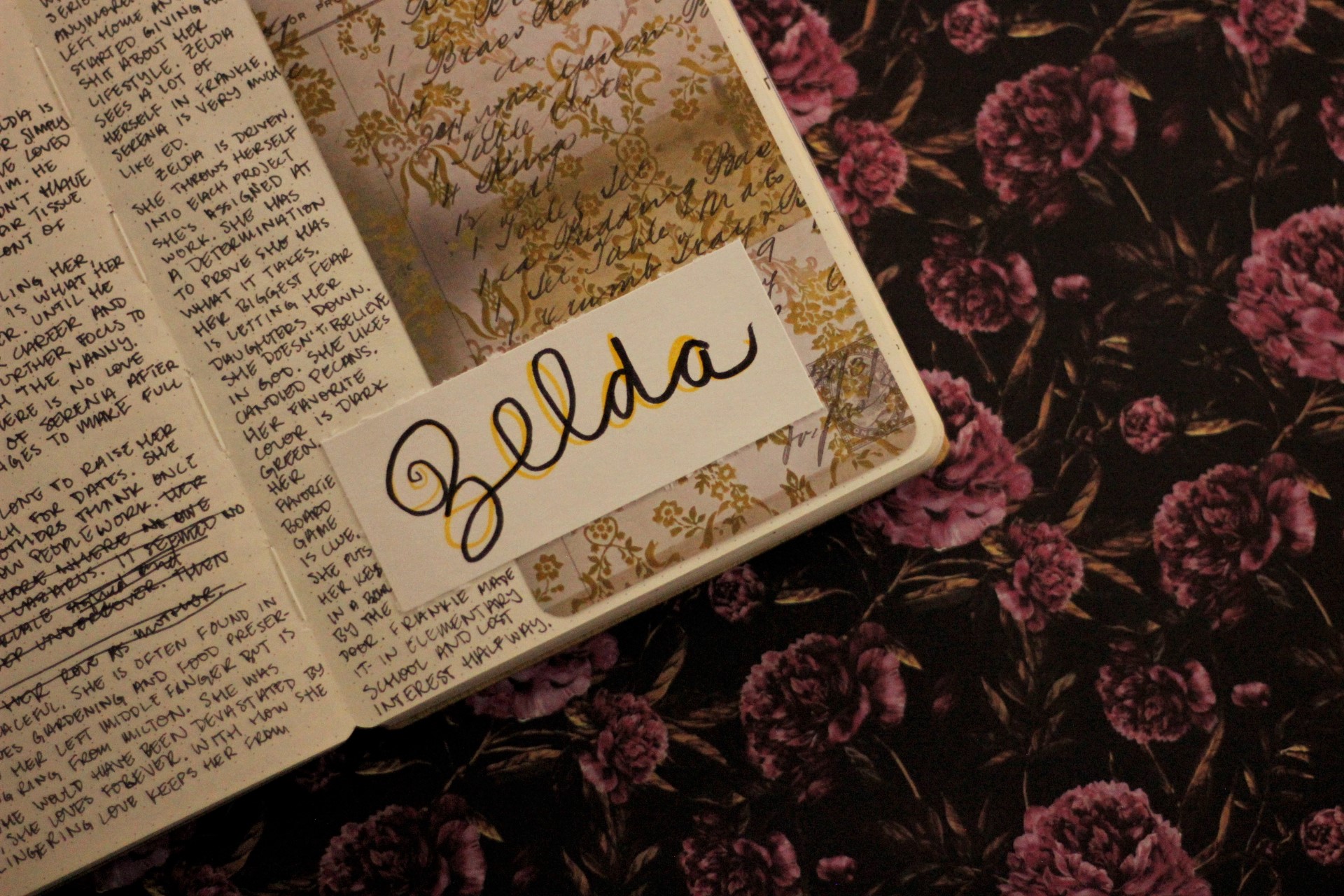
Zelda is a sunrise. She is vibrant and brings a room together simply by being in it. She is Frankie and Serena’s mother. She loved Milton Fogg at one point, but he erased her memories of him. He claimed for her safety, but it was really so he didn’t have to be a father or husband. This removal leaves scar tissue which Dr. Rodrigo Ark then removes at the end of Fulcrum. Zelda is killed in front of Frankie.

She is an only child. Instead of this spoiling her, she learns independence fairly quickly. This is what her first husband, Ed Shorn, admired about her. Until he thought she should spend less time on her career and more time being a wife. When Zelda instead turns her focus further on work, Ed begins a relationship with the nanny. While this hurts her, by this time, there is no love left for Ed. She lives for taking care of Serena after she fires the nanny. Still manages to make partner at her law firm.

When Ed dies, she moves on with Milton. By the time Frankie is born, however, Zelda is alone to raise her two girls. She doesn’t actively search for dates. She spends less time worrying what others think once she understands the basics of how people work.

Zelda is gracious and graceful. She is often found in long, flowing dresses. She loves gardening and food preservation. She wears a ring on her left middle finger, but is unsure why. It’s her wedding ring from Milton. She was deeply in love with him. She would have been devastated by his loss. Part of the depth of her love for Milton comes from the arrangement of the Thrice Unbound. With how she felt about him, the lingering love kept her from finding someone else.

She loves her children, but her relationship with Serena is not what she wants it to be. Frankie is her favorite by no reason other than she spends more time with her. She’s worried about her because of how little emotion she exhibits. She thinks there is something wrong, but can’t say anything because they don’t have serious conversations anymore after Frankie leaves home. Serena gives Zelda grief over her lifestyle–alone, in a big house, no desire to be anything other than what she is. Zelda sees a lot of herself in Frankie, while Serena is very much like Ed.

Zelda is driven. She throws herself into each project she’s assigned at work. She has a determination to prove she has what it takes. Her biggest fear is letting her daughters down. She doesn’t believe in God. She likes candied pecans. Her favorite color is dark green. Her favorite board game is Clue. She puts her keys in a bowl by the door. Frankie made it in elementary school, but lost interest halfway through, so it’s more of a plate than a bowl, and only painted in blobs and splotches.

Indivisible

When I was in elementary school, every morning Mr. H would come over the PA system, blasting “My Girl” before delivering the morning announcements. After the announcements were done, a student would lead the school in the Pledge of Allegiance. This practice happened every morning of my school life from elementary until my senior year when we were given the option of not rising or reciting. As a tired senior, I was grateful for the option of staying seated, and I never really considered the significance of what we spoke each morning for so many years. The practice continued, of course, and as I sat there, I started to think about the words. The original words are as follows:

I pledge allegiance to my flag and the Republic for which it stands, one nation, indivisible, with liberty and justice for all.”

The addition of the phrases “of the United States of America,” and “under God,” weren’t added until much later. I’m not debating the addition of these words today, but what I am drawn to is the significance of the word “indivisible.” It’s not even a joke anymore how clearly split down the center my country is. The memes hide the excruciating sadness at such a fragile thread of balance left. There are two major camps, something that always amazes me how people can be lumped into one specific group when the issues are so diverse. To me, this is not what the founders of our country had in mind when they began the bells of revolution just 245 years ago. In my short span of life, that feels like an age has passed. And with the rush of technology and information, it certainly can be described as such.

In one of my favorite underrated musicals, 1776, there’s a powerful scene where they’re preparing to vote on the resolution for revolution (essentially). The vote has been stalled because the south wants the clause about slavery being abolished removed, and the north doesn’t want to take it out. Here’s a quote from that scene:

Benjamin Franklin: “John, I beg you consider what you’re doing.”
John Adams: “Mark me, Franklin, we give in on this issue, posterity will never forgive us.”
Benjamin Franklin: “That’s probably true, but we won’t hear a thing, we’ll be long gone. Besides, what will posterity think we were, demi-gods? We’re men, no more, no less, trying to get a nation started against greater odds than a more generous god would have allowed. First things first, John. Independence. America. If we don’t secure that, what difference will the rest make?”

I bring this scene up not because I want to prove that slavery was kept to appease the south, but more because I reached an understanding high school me didn’t see. The founders weren’t more than men brought together to build something new, something completely unheard of, and we’ve raised them to the level Franklin mentions. I’m not naive enough to believe that those men were infallible, that they were the brilliant beings we tout them to be, but I respect what they were trying to do. Franklin’s comment about how if they didn’t secure independence, there’d be nothing to fight for, that fits the part of me that wants to fight for the world.

I don’t have a very loud voice on the internet, but I am doing my research to see what I can to help end the division. In my immediate surroundings, anyway. History cleaned the books up too well, and the issues plaguing us now are because we are too fragile to see what was done to build the country we currently call home. Land was stolen, backs were broken, blood was spilt, lives were lost to provide what we have today. Trying to shove that under the proverbial carpet is irresponsible and incorrect. Lying to ourselves about our past is only hurting us and our future. We cannot grow if we refuse to accept what we’ve done.

There’s one more quote I have from 1776 that remains to this day what I try to live my life by. Abigail Adams, in the musical, is trying to remind her husband of why he’s fighting for this whole thing, and she quotes something he said to her once, and that is:

There are two creatures of value on the face of this earth: those with a commitment and those who require the commitment of others.”

This quote stokes the fire I have for lifting others up, for trying to help the world be a better place for everyone. Again, I’m not so foolish to believe it can be done quickly, but I’m firmly rooted in my belief that it can be done. I take those words to mean I require commitment of others–to do the best they can. To learn, to grow, to work toward being better. To treating others better. But not to do more than they are able. Minds can be changed. It takes monumental effort, but it can be done. We don’t yell or shout down violence on those who yell back at us. No, we take this to the quieter ones. The ones who see both sides. We talk, and we listen, and we then take what we learn back to whatever side we’re on, and we educate. We share what we learn, and we then build each other up.

It’s my fervent hope. I want accountability from those who need to own up to the reality of what our history was, and I want to see us grow together.

Summer 2021 Hiatus

Salisbury Fake is going on a short break for the rest of June and first two weeks of July. Posts will resume July 17.

I’d like to take a moment to say thank you to those of you who come back to read my blog posts week after week. I know they can be a bit scattered and sometimes morose, but I am truly grateful you continue to stop by. I can’t do giveaways or anything super fancy, but if you’d ever like to receive a poem from me written just for you, or a personalized “hey, how are you, what’s your favorite breakfast food?” message, please request it here https://salisburyfake.wordpress.com/contact-me/ using this link. Or if you’d like to say hi, or tell me my feet smell weird (although if you know that, please don’t tell me, because it means you’ve gotten close to me and I didn’t know).

Until next time, friends.

It’s All In How You Say It

Hey, how ya doin’? I hope you’re doing well. This blog is a sort of update on my writing projects. Not only am I reworking the first book of my trilogy, I’ve made some progress on my worldbuilding journal. I finished the setting discussion for Lazarus, including the history of Moarteans. It was a lot of insight into a world I neglected during my first few go arounds on this story. Discovering an entire culture has been so satisfying. The rise and fall of leaders, the growth and stagnation of policy, the wealth of “art” history. I say “art” because the Moartean way is more scientific, and more visceral. They aren’t a romantic bunch of people (in terms of love or historical era), so they tend to dwell on the pain and suffering aspect of life a lot more than the people of Fulcrum (our world).

As I was developing this background, I was thinking about how there’s this phrase that they use as a kind of blessing, “nantu sonsprek moartea-hi,” (the strength of the dead goes with you), and it struck me that this was a small insight into their language. They came up with a new language as a way to be above humanity and it slowly spread to the mega cities. Some humans of Lazarus can speak Moartean, but mostly it’s just used between the Moarteans.

Which brings me to my coolest thing I’ve done so far creatively. I am creating the Moartean language. Actually creating their language with real words and grammatical rules and there will be poetry, scientific literature, regular literature (all of that will be alluded to, because I’m not that cool yet). I’d kicked the idea around in my head for a while because I liked that they had a different way of speaking. It elevated them above the humans and then it became their way of surviving. Which is hella vague, I know, but the book explains more.

The words have a sound that’s got a combination of several of the Romance Languages, Russian, and Japanese/South Asian. The reason for this? It sounds good. The word for star is gakima (the plural being gakimai) pronounced “guh-KEE-muh” or “guh-KEE-muh-ee” and the word for everything is winexi, which is pronounced “wee-NEY-zhee.” There doesn’t appear to be a pattern to the words or anything so far, but I feel that’s accurate for the Moarteans in their earlier arrogance. They wouldn’t want the humans to learn their words.

So that’s where I’m at currently. Still working on the actual story, yes, but my side projects are keeping it all fresh in my head. I know my approach to writing isn’t necessarily what will work for others, but I enjoy sharing the process and the side bits to hopefully help others in their work.

Until next time, friends.