“It wasn’t only wickedness and scheming that made people unhappy, it was confusion and misunderstanding; above all, it was the failure to grasp the simple truth that other people are as real as you.”
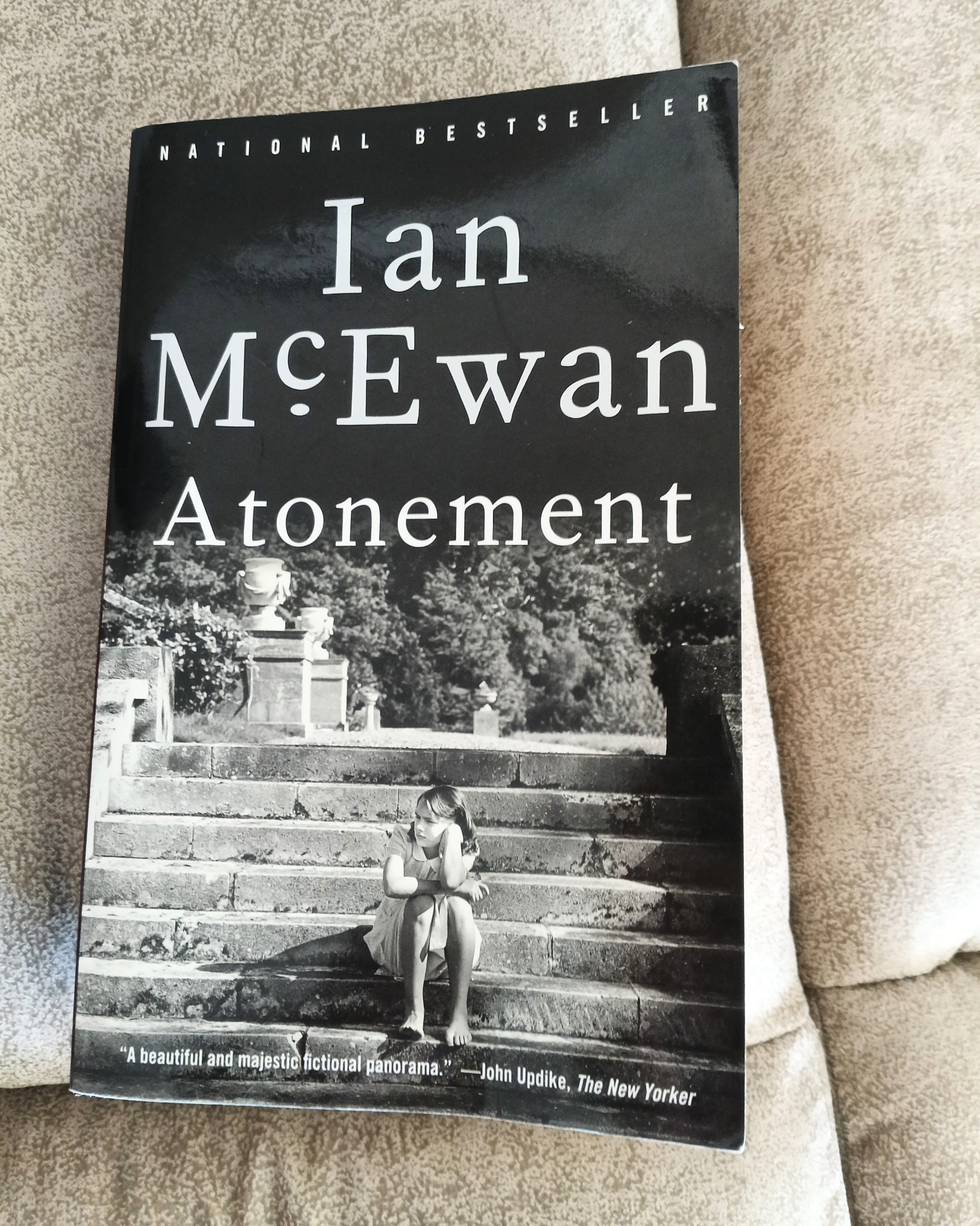
I had this book sitting on my “I’ve read this” shelf and recently went looking for something else when I spotted it. It sat on my “I haven’t read this” shelf for a while because I knew the story already. I’m a big, big fan of the film adaptation of this book, and from the synopsis, it followed the story pretty accurately.
I was not prepared for how deeply beautiful this book is. In the beginning, it’s told from the perspective of a thirteen-year-old girl who misunderstands something she sees out a window. A few more things happen within the space of an afternoon and evening, and as a result of her incorrect assumptions, lives are shifted into irreversible directions.
The film follows the book nearly scene for scene, which I felt incredibly kind of Hollywood. The story is rather important in all its moving parts, as most are, but with something so delicately perched on the bevel of catastrophe, anything left out would render the whole thing meaningless.
In reading some of the reviews, there were several people bothered by the fact the main character, Briony, doesn’t seem to “grow up” over the course of the book. This mainly stems from how she interrupts the rape of her cousin, and because of her false accusations sends an innocent family friend to prison.
The book stays mainly in Briony’s perspective, so we see her grow into a young adult at the precipice of a country at war. She doesn’t take her place at Cambridge, and goes into nursing–like the sister who fled the family on the arrest of the family friend. Briony comments on knowing she was wrong in her youth, and several of the reviewers were upset the rape isn’t discussed past a certain point.
My response to that is why would Briony talk about something that didn’t happen to her? I don’t mean that to sound callous, but as someone who’s experienced sexual violence, I don’t really find it pleasant to discuss. I don’t think the few people who know the situation sit around and talk about it amongst themselves either, so placing a responsibility on the main character to go into such an experience feels a little beside the point. She does eventually attend her cousin’s wedding, and it’s revealed her cousin marries the man who raped her (very much not the family friend). That and a few things Briony says at the end of the book are the only time it’s really mentioned again.
I don’t find it her responsibility to process such an event. McEwan could have written Lola’s perspective into the book, but she wasn’t a main character, and so having her show up to think/talk about her experience would have disjointed the story entirely.
The other thing people commented on was how the whole situation wasn’t important enough for a book. To that, I say, they missed the point. No one wants to read about a wealthy family crumbling because of misplaced accusations and a war. Not truly. But the depth of perspective we get from Briony shows us how penance cannot be achieved perfectly. By the end of the book, she is an old woman and discussing her regrets, so to speak, and what I love so much about it is the vast scope of her understanding, and the pain she has at not having her sister in her life.
I know my opinions are not the right ones. But they are mine, and I see Briony as faulted, someone who caused tragedy and bore the weight of that tragedy the rest of her life. Some would say rightfully so, but I feel like those people forget what it was to be thirteen and not understand the world the way we see it as an adult. We know right from wrong, but if we don’t know the reason or the why for something, it’s hard to articulate the responsibility.
9/10 stars
*******I read the First Anchor Books 2003 paperback edition*******

 salisbury.fake